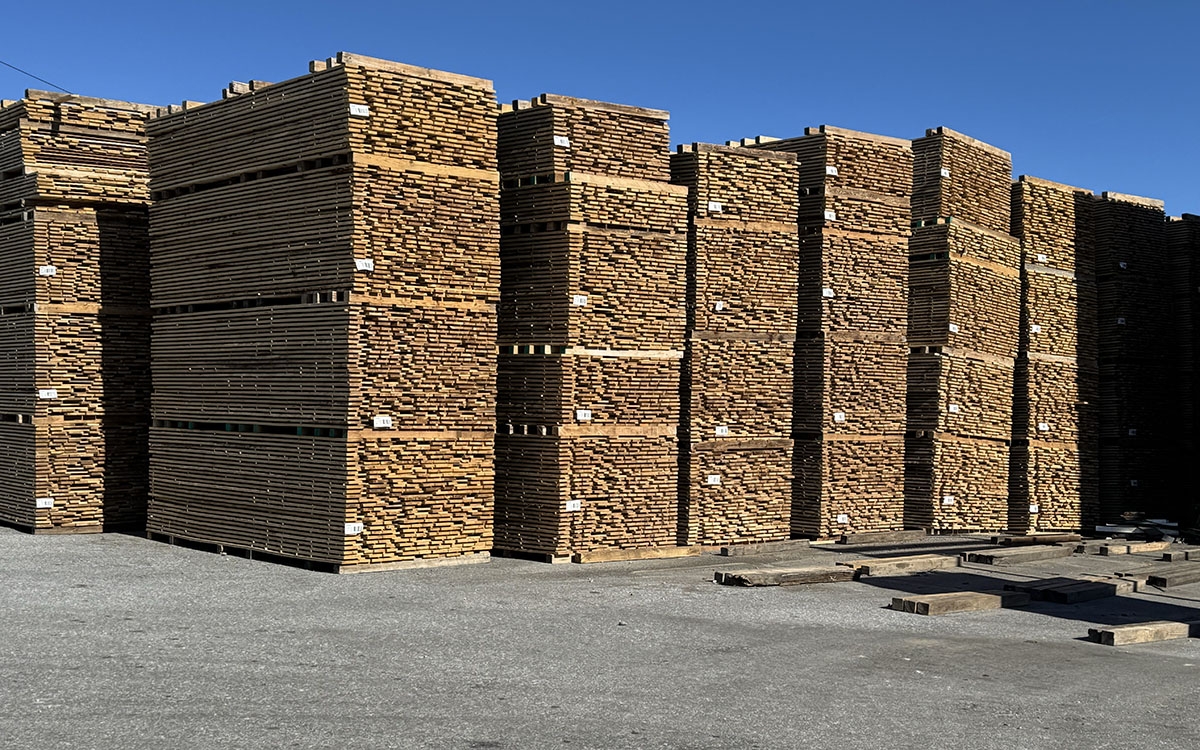
With the disruptions across the global market due to tariffs creating havoc for sawmills around the world, wood prices in your area have likely increased rapidly. In many cases, wood products at big box stores are hard to trace, and negotiating prices is nearly impossible.
Working with a local sawmill can be a game-changer for contractors and manufacturers looking for ways to get better deals on lumber, while also supporting the local or regional economy. In this article, we will explore some of the reasons why working with a local sawmill is preferred over utilizing lumber from mills outside of the region where you manufacture or build.
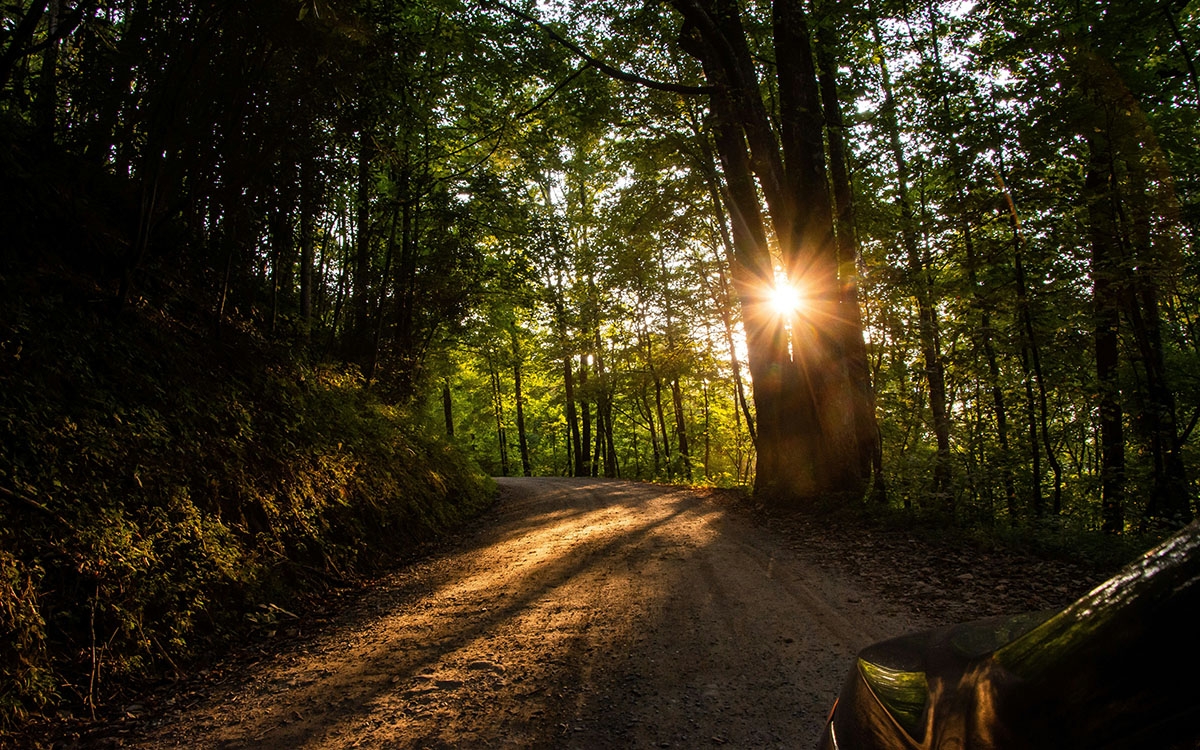
Appalachia is a region that is as old as time. The mountains are some of the oldest in the world, and are home to a rich history of forestry. Stewardship is not just practical, but also part of our historical connection with the land itself.
Our deep sense of connection to the forest is often lost in the hustle and bustle of modern life. However, when it comes to forestry and production, the forest needs us more than ever. Sustainable forestry and stewardship of our natural resources are crucial in balancing the economic viability and ecological health of a forest.
In this article, we will dive deep into the need for sustainable forestry management practices in the Appalachian region of the United States.
One of the lesser thought-about features of a home is flooring. Many builders will put extensive thought into the millwork, layout, and finishes, but then install luxury vinyl planks as a way to save money.
While prices are indeed rising and home building has gotten way more expensive than in the past, flooring is one of the most used parts of a home. In a well-loved home, every area of the house is a high-traffic area, furniture gets moved around, guests will forget to take off their shoes at the door, and with lesser quality flooring, wear can be extremely visible.
However, when using hardwood flooring, those wear marks add character and can be refinished if needed. Hardwood floors are also far more durable and can last the lifetime of a home. There are plenty of homes that are well over 100 years old that have their original hardwood flooring, something you probably can't say about LVP flooring.
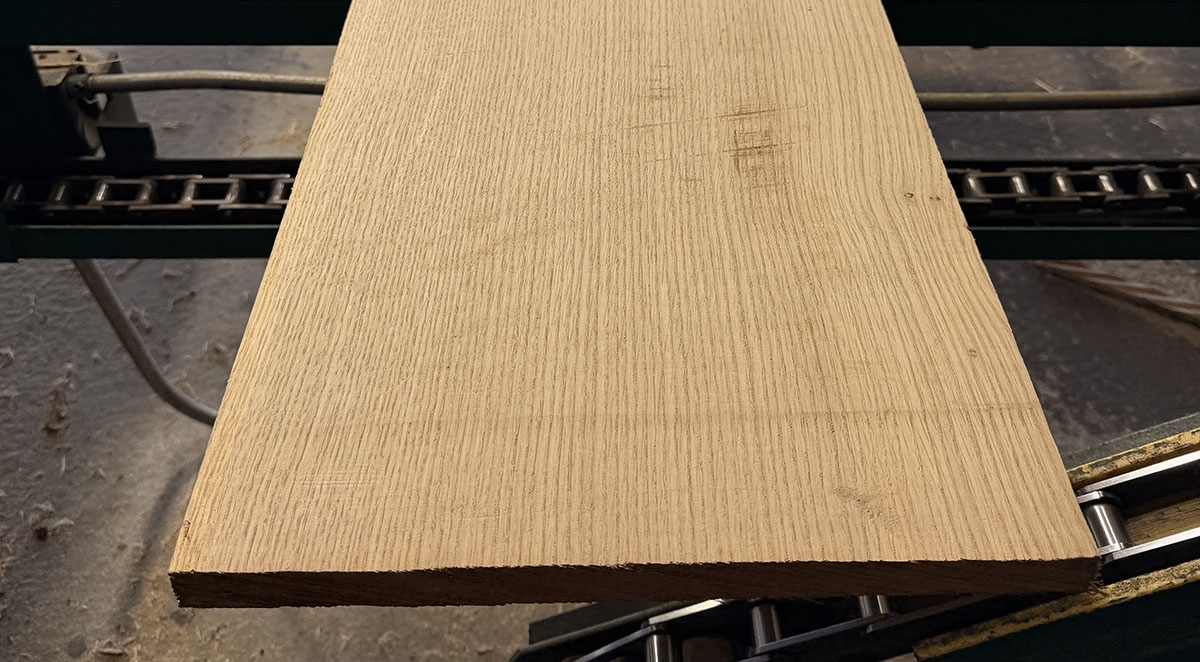
Rift and quartered white oak is a great option for hardwood flooring. Not only is it durable, but the aesthetic of rift and quartered white oak is timeless and beautiful. In this article, we will tackle why rift and quartered white oak is the perfect wood product for flooring in homes of all design styles.
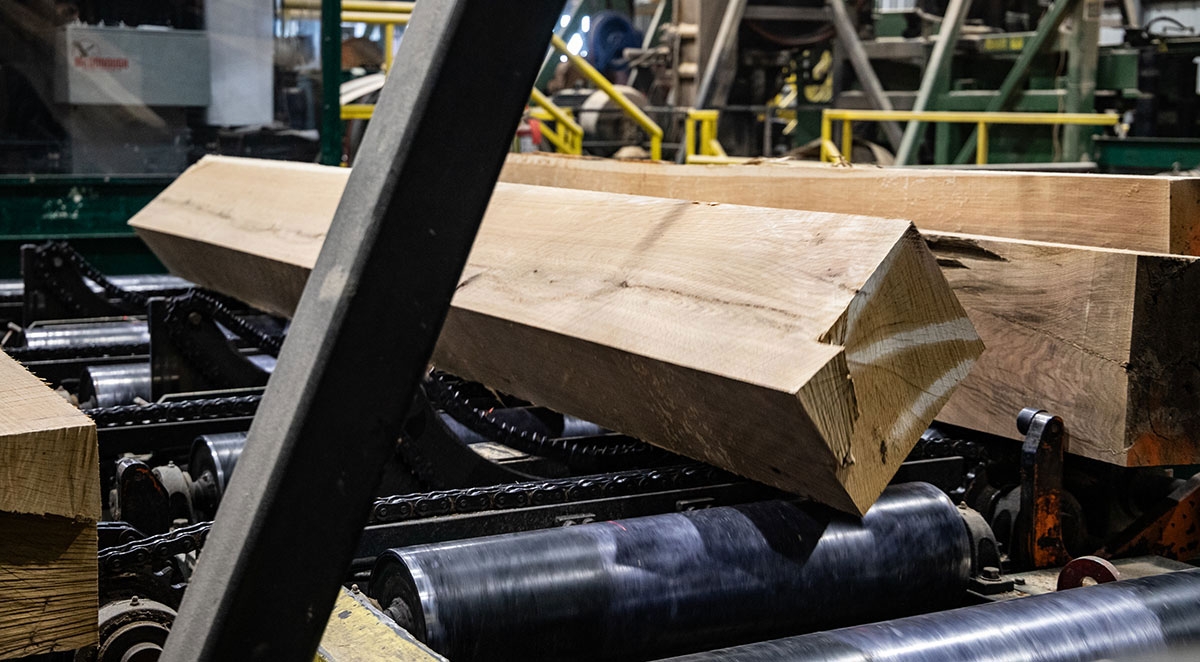
Wood products are an integral part of the economy, both here in the United States and abroad. In 2025, the sawmill industry was estimated to reach nearly $90.34 billion worth of revenue and is continuing to grow. As the sawmill industry continues to grow, technology must keep up so that efficiency can increase as new challenges come up. Challenges in the sawmill industry can create bottlenecks that can cut into productivity and ultimately revenue.
Sawmills have been around for a very long time, and many of the core systems in sawmilling haven't changed much. However, automation and quality control technology have increased drastically over the last century. Today, we are diving into discussing some of the key technological improvements that have happened over the last century in sawmills around the country.