The Sawmill Cycle: How Appalachian Hardwoods are Harvested and Turned into Quality Hardwood Products
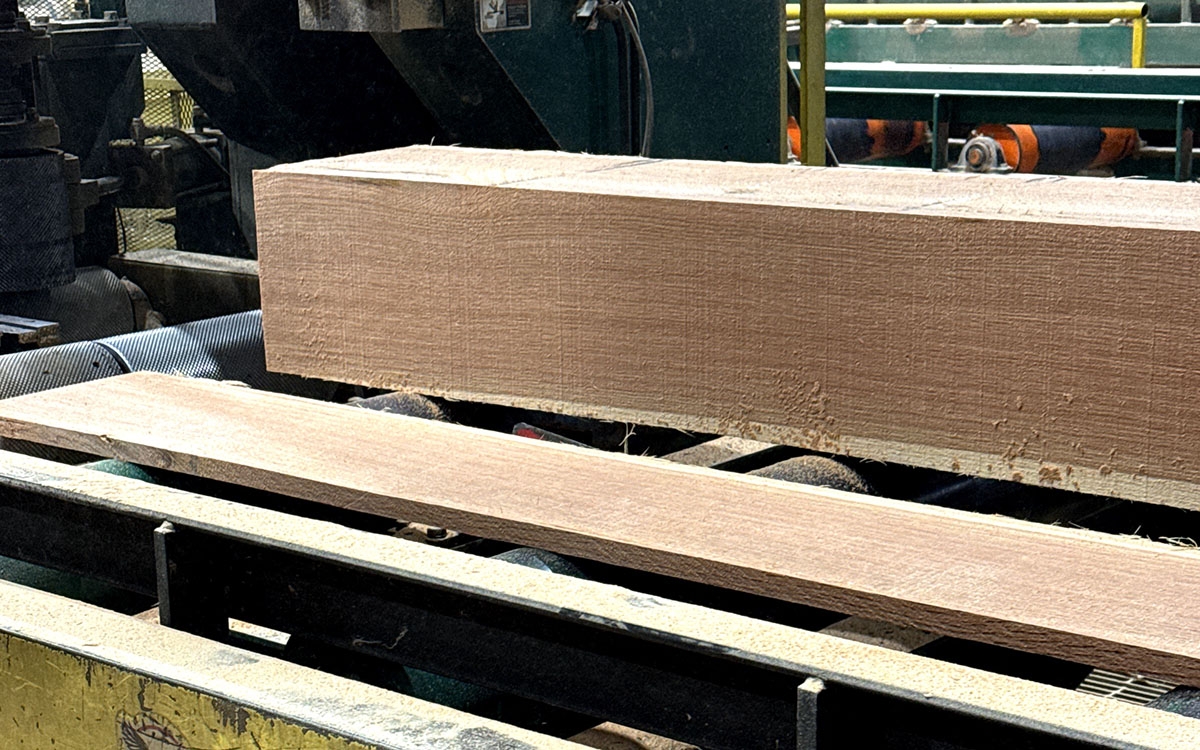
Wood products are a vital part of the modern American economy and have been for quite some time. Early American colonists cleared dense eastern forests for agriculture, which produced massive amounts of felled hardwood trees. This material was used not only in construction and furniture manufacturing, but also to make potash. Potash was an essential chemical used in soapmaking, glass production, and bleaching.
As time went on, hardwoods drove the economy, especially before the Civil War, when over 80% of American energy came from wood, as it was the primary fuel for homes, businesses, and early locomotives. Hardwoods also supplied lumber for the growing railroad networks for track ties, station houses, as well as structural support for early coal mines.
Over time, sawmills began to pop up around waterways, with towns growing up around the mills, which were massive economic movers throughout the 19th and early 20th century.
Fast forward to the modern era, and Appalachian hardwoods are a huge export, making up a large percentage of all US wood exports.
With so much of our economy tied to the timber industry, especially Appalachian Hardwoods, it is important to understand the life cycle, as well as the sawmill cycle in which hardwoods are harvested and turned into quality hardwood products for use in the US or around the world.
In this article, we will explore different facets of the sawmill cycle and how each stop along the way affects the final product.
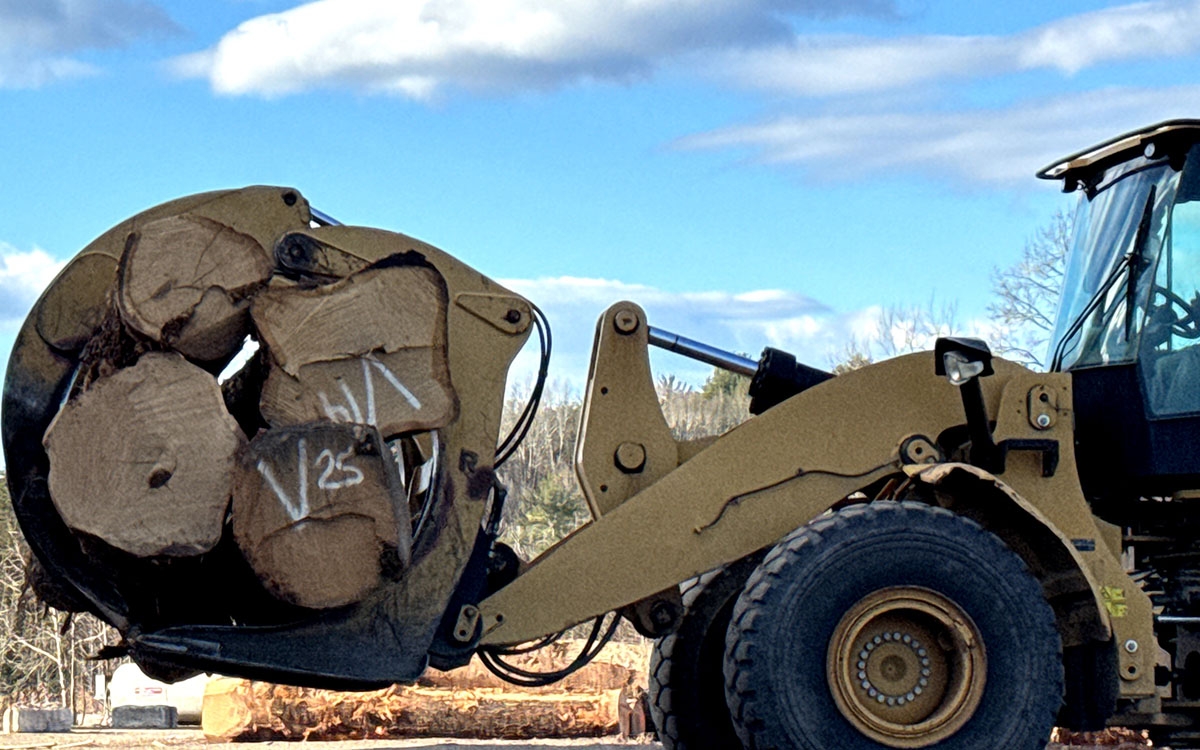
Land can be extremely valuable, especially as developers are looking for large swaths of undeveloped property to build housing and commercial developments. However, not all of this value is in the land itself. Timber can be an extremely valuable natural resource, especially when property is properly managed.
Unfortunately, most landowners don't understand the value of timber that can increase the ROI of their property. In some cases, timber buyers will lowball landowners, causing them to accept much lower offers for their timber than what is actually on the property.
If you are a landowner with marketable timber on your property, it may be time to discuss with a forester about the value of your timber and whether or not it is time to sell your timber stand. In this article, we will discuss the steps of selling a stand of timber and how to ensure that you get the most out of your investment while harvesting your timber responsibly.
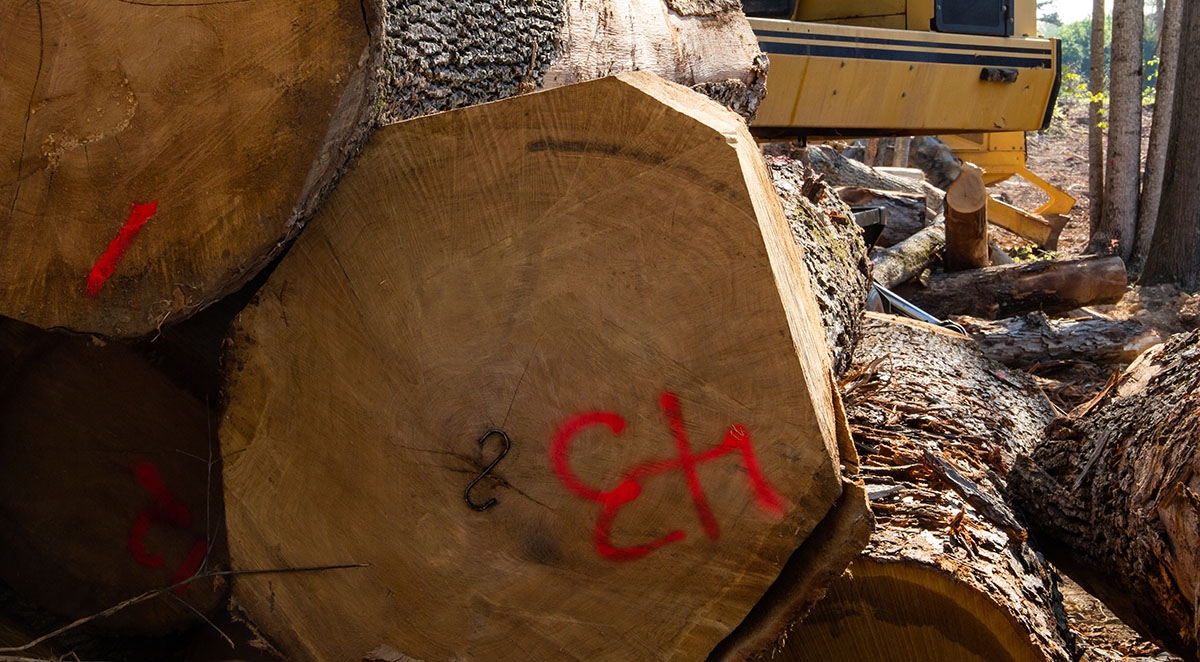
Clearcutting can be an effective timber harvesting method when it is used in the right setting and managed correctly. For North Carolina landowners, a clearcutting project may be part of a timber sale, forest regeneration plan, land conversion project, wildlife management strategy, or long-term forestry plan.
The key is planning. Clearcutting involves much more than removing every marketable tree from a tract. Access, timber value, soil conditions, stream protection, harvesting methods, cleanup, and the future use of the property all need to be considered before equipment enters the woods.
A properly managed timber harvest can provide income while preparing the property for its next stage. Poor planning, on the other hand, can leave behind damaged roads, erosion problems, poorly located skid trails, and unnecessary cleanup.
Here are some of the most important things North Carolina landowners should consider when managing a Clearcutting project.
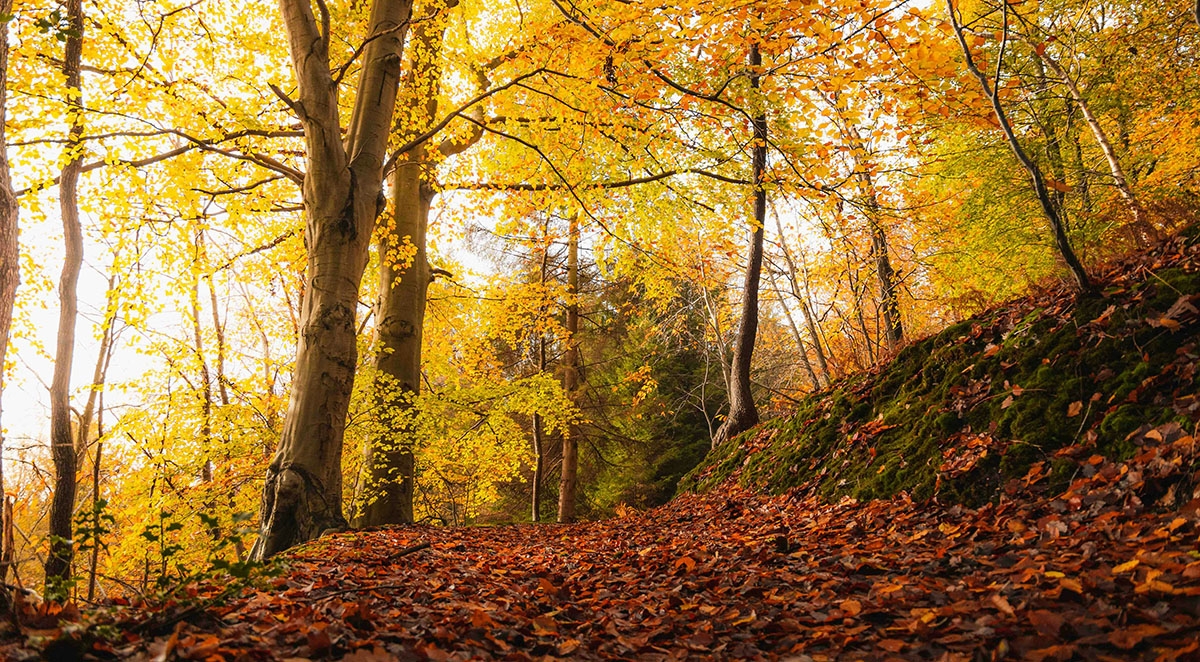
Owning forestland in North Carolina comes with opportunities, but making the most of that property requires more than simply letting the trees grow. A well-managed forest can produce valuable timber, provide wildlife habitat, protect water resources, and remain productive for generations.
Forestry management is especially important in northwest North Carolina, where terrain, tree species, soil conditions, access, and landowner goals can vary considerably from one property to another. A wooded tract in Wilkes County may require a different management approach from mountain property near Boone or elsewhere in northwest NC.
Whether you recently purchased forestland, inherited family property, or have owned timber for decades, there are several things you should know before making major decisions about your woods.