Understanding the Purpose of a Sawmill
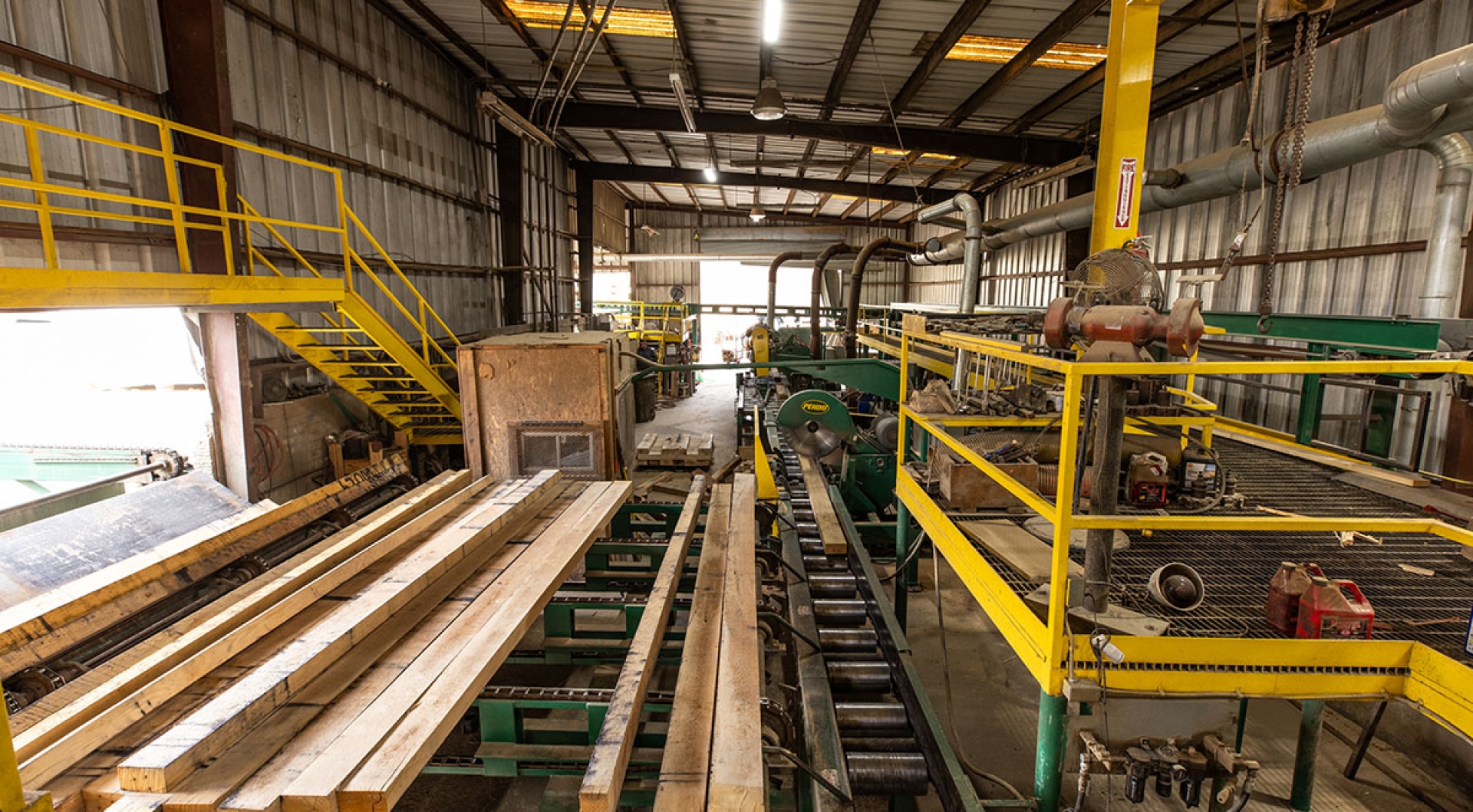
A sawmill takes logs from harvested timber and transforms them into usable lumber through mechanical cutting, sorting, and finishing processes. Modern sawmills like ours are designed to maximize yield, reduce waste, and produce consistent products for a wide range of uses.
Sawmills are essential to North Carolina’s economy, providing lumber for the construction industry, furniture making, flooring, cabinetry, and countless other applications. Many rural communities in the state rely on sawmills not only for employment but also as outlets for local timber harvested from Appalachian hardwood forests and southern pine stands. Builders depend on mills to provide materials that meet grading standards, while manufacturers count on steady supplies of high-quality boards.
Precision cutting and proper drying are critical to the quality of finished wood products. A mill that uses advanced sawing technology and controlled kiln-drying systems produces lumber that is straighter, more stable, and less prone to warping or splitting. This attention to detail ensures that the wood performs well in structural framing, cabinetry, or custom woodworking projects, ultimately saving builders and landowners time, money, and frustration.
The History of Sawmills in North Carolina
Sawmills have been central to North Carolina’s growth and development, serving as the link between the region’s abundant forests and its expanding communities. In the early days, mills provided the lumber needed to build homes, barns, and businesses that allowed towns to thrive. As agriculture and commerce grew, sawmills became hubs of both industry and employment.
Our mill started in 1936 as V.M. Church & Sons, founded by Virgil McKinley Church. Since then, the company has been passed down through the generations and grown into a modern high production grade mill located in Wilkesboro, NC. For all sawmills in our state, sustainability and stewardship is more important than ever. We are committed to preserving our healthy forests, while ensuring that every part of a harvested log is utilized.
The Sawmill Process: From Timber to Lumber
Church and Church Lumber Company and sawmills like ours handle every part of the process, including:
- Log Procurement: Mills source logs from landowners and timber buyers.
- Debarking and Sorting: Logs are prepared for milling and classified by species and grade.
- Sawing: Logs are broken down into cants, boards, or timbers.
- Drying: Air-drying or kiln-drying reduces moisture content.
- Planing and Finishing: Produces smooth, uniform boards ready for sale.
Taking control of the process helps us ensure our commitment to stewardship.
Choosing a Sawmill Partner in North Carolina
Here are a few things you should look for when choosing to work with a sawmill:
- Procurement: You want a sawmill that is able to to cruise timber and ensure you get a fair value for your timber stand.
- Expertise: You want a sawmill that has experience with Appalachian hardwoods and softwoods.
- Cutting Capabilities: You want a sawmill that has the ability to produce the sizes and grades required.
- Drying Options: You want a sawmill that has kiln drying availability.
- Reputation: You want a sawmill that has proven history of reliability.
- Forestry Management: You want a sawmill that can also help you manage your land for the sake of the environment and the future of your renewable resources.
What Builders Are Looking for in a Sawmill
Mill selection impacts lumber quality, availability, and cost. Builders who choose carefully can ensure stronger materials, reliable supply, and fair pricing. Grading standards and consistency are especially important for structural projects. Using lumber that meets the right standards helps guarantee safety and performance.
Local mills also provide practical advantages. They can shorten lead times, lower transportation expenses, and support the regional economy.
What Landowners Are Looking for in a Sawmill
Working with a mill directly can increase the overall value of timber by reducing middlemen and improving pricing transparency. Fair log scaling and clear payment terms matter to landowners who want to protect their investment and understand exactly what they are being paid for.
Mills can also guide selective harvesting practices, helping landowners maintain long-term forest health while generating income.
Sustainability and Responsible Forestry in North Carolina
Sustainable and responsible forestry are vital to ensuring the health and future of North Carolina’s woodlands. We provide customized forest management solutions with transparency, information, advice, and guidance. We want you to be informed and aware of the options that exist for accomplishing your forest management objectives.
Understanding sawmills benefits both builders and landowners. Choosing the right sawmill partner ensures better lumber, higher timber value, and sustainable forest use. Reach out to a reputable North Carolina sawmill to discuss your building project or timber sale.
Church and Church Lumber Company: A Sawmill in North Carolina
Understanding sawmills benefits both builders and landowners by bridging the gap between forest resources and finished products. For builders, partnering with the right sawmill means access to high-quality, properly dried, and consistently graded lumber that supports strong and reliable construction. For landowners, a trusted sawmill partner ensures fair valuation of timber, guidance on sustainable harvesting, and the ability to maximize long-term forest health while still generating income.
Choosing wisely not only improves the outcome of individual projects but also strengthens North Carolina’s forestry economy. For more about timber procurement, forestry management, and sawmill products, reach out to us at Church and Church today.