One of the primary attractions that draws residents and tourists to our part of the country is our forests. We have nearly 19 million acres of wooded land in North Carolina. As autumn approaches, leaves will be changing colors, first in the High Country, then in the foothills and piedmont. Whether you have your own woodlands in which to enjoy this phenomenon, or you are planning a trip to the Blue Ridge Parkway, it is no secret that this is a favorite time of year in our state.
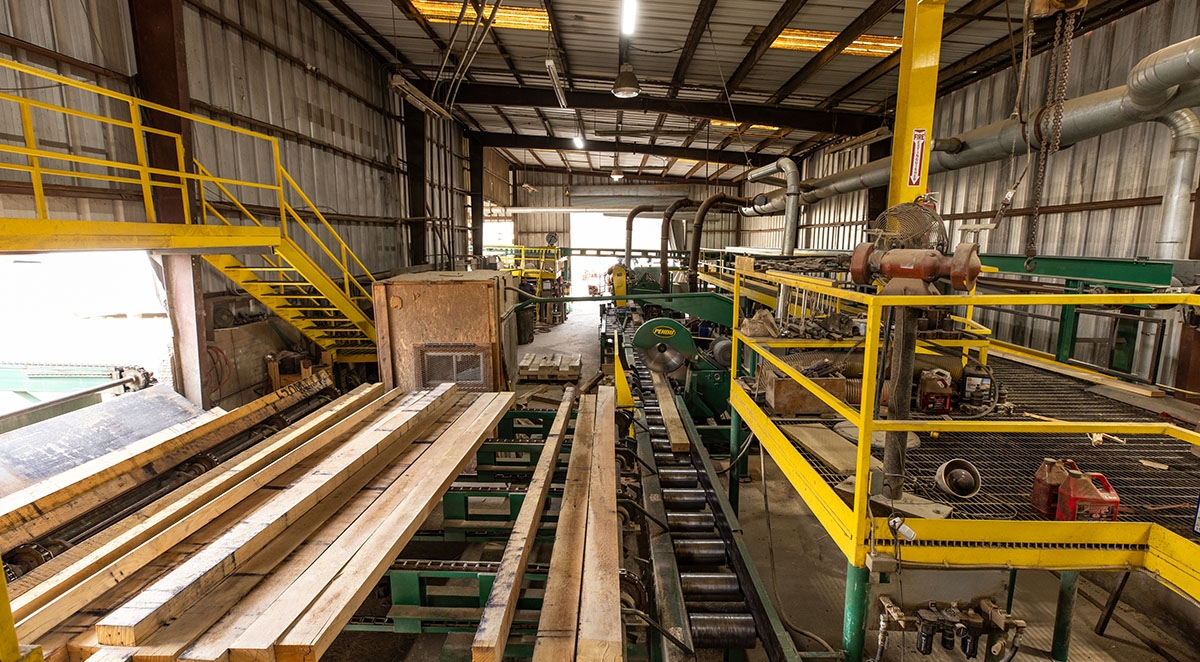
North Carolina has a long history of forestry and wood products. Sawmills have always been an important part of our state’s economy. Whether you are a builder sourcing high-quality lumber for a project or a landowner with standing timber, understanding how sawmills work helps you make better decisions.
This guide explains what sawmills do, the types of sawmills you might encounter, and why it matters where wood is processed.
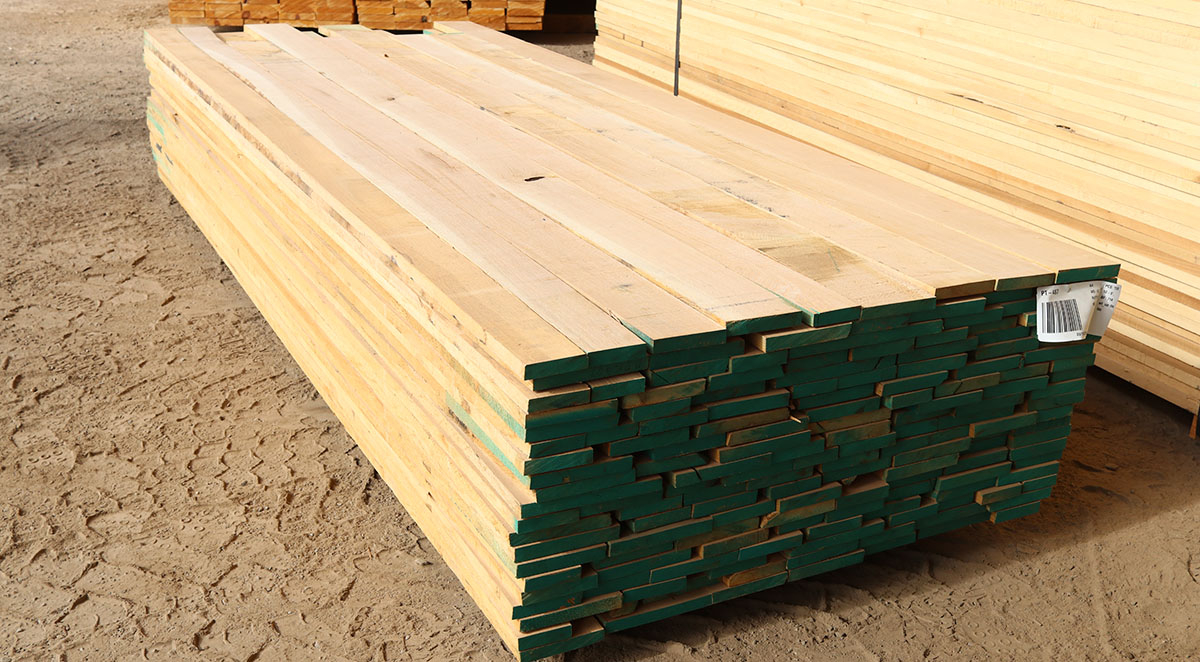
Rift and quartered white oak is one of the most dependable and visually appealing hardwoods available today. For centuries, it has been used in historic buildings, fine furniture, and architectural details where strength and longevity matter. Modern builders and designers continue to choose it because it solves two challenges at once: it offers stability in service while also presenting a distinctive, eye-catching grain.
At our sawmill in North Carolina, rift and quartered production is an important part of what we do. Our process begins with selecting high-quality Appalachian logs, chosen for their size, straightness, and growth ring structure. Once the logs arrive, they are cut to highlight either the dramatic fleck of quarter sawn or the clean vertical lines of rift sawn. The lumber then goes through a drying schedule designed specifically for white oak, which ensures stability and strength for years of use. By managing each step with consistency, we provide material that builders, architects, and craftsmen can trust to perform well and look impressive in finished projects.
This guide will help you understand rift and quartered white oak, what makes it special, how we produce it, and the many ways it can elevate both residential and commercial projects.
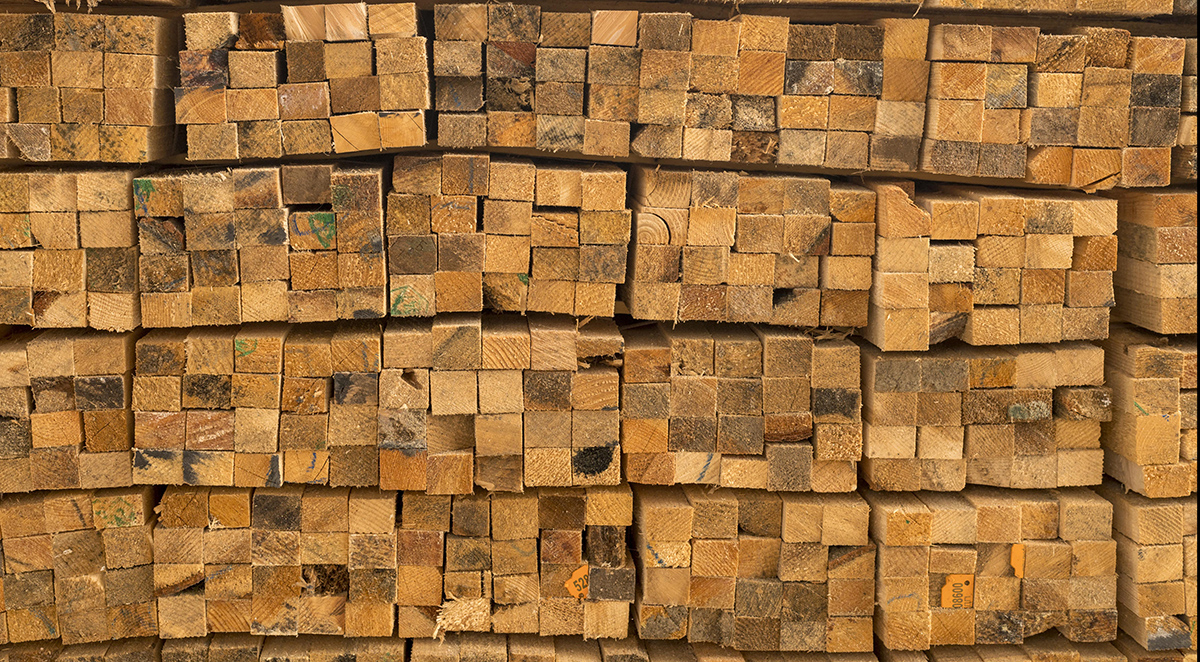
As autumn 2025 approaches, the timber market continues to evolve in response to broader economic shifts, environmental challenges, and changing consumption patterns. For both timber distributors and forest landowners, understanding current trends and likely future developments is crucial for strategic decision-making.
One of the primary attractions that draws residents and tourists to our part of the country is our forests. We have nearly 19 million acres of wooded land in North Carolina. As autumn approaches, leaves will be changing colors, first in the High Country, then in the foothills and piedmont. Whether you have your own woodlands in which to enjoy this phenomenon, or you are planning a trip to the Blue Ridge Parkway, it is no secret that this is a favorite time of year in our state.
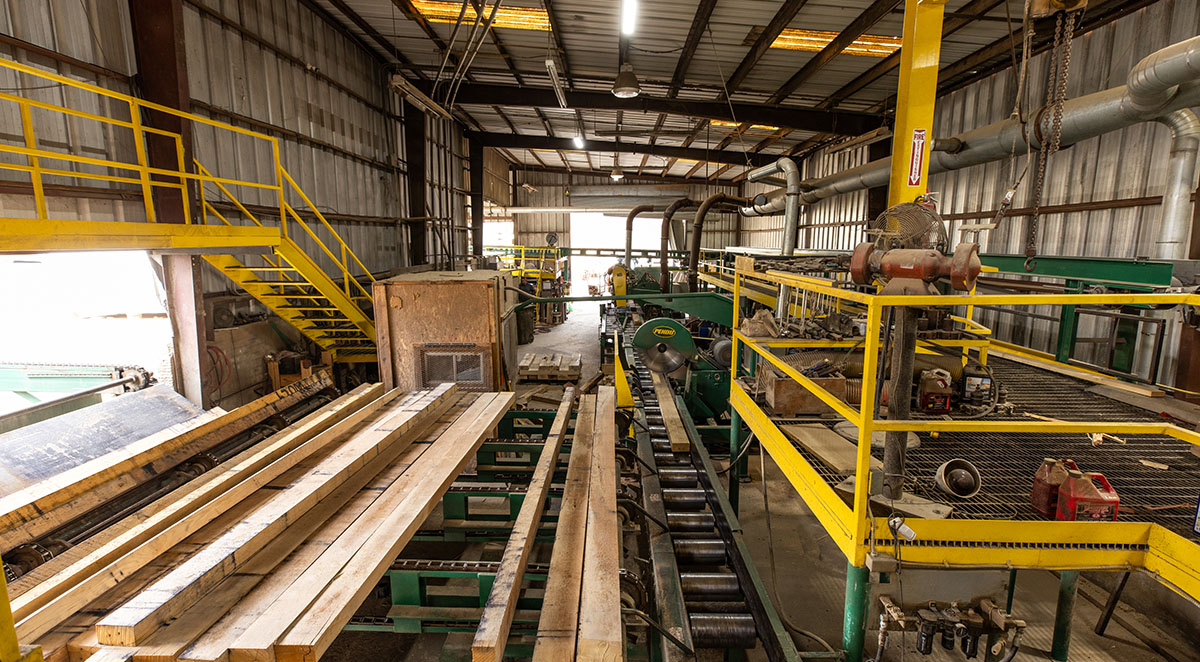
North Carolina has a long history of forestry and wood products. Sawmills have always been an important part of our state’s economy. Whether you are a builder sourcing high-quality lumber for a project or a landowner with standing timber, understanding how sawmills work helps you make better decisions.
This guide explains what sawmills do, the types of sawmills you might encounter, and why it matters where wood is processed.