1. The Appalachian Advantage
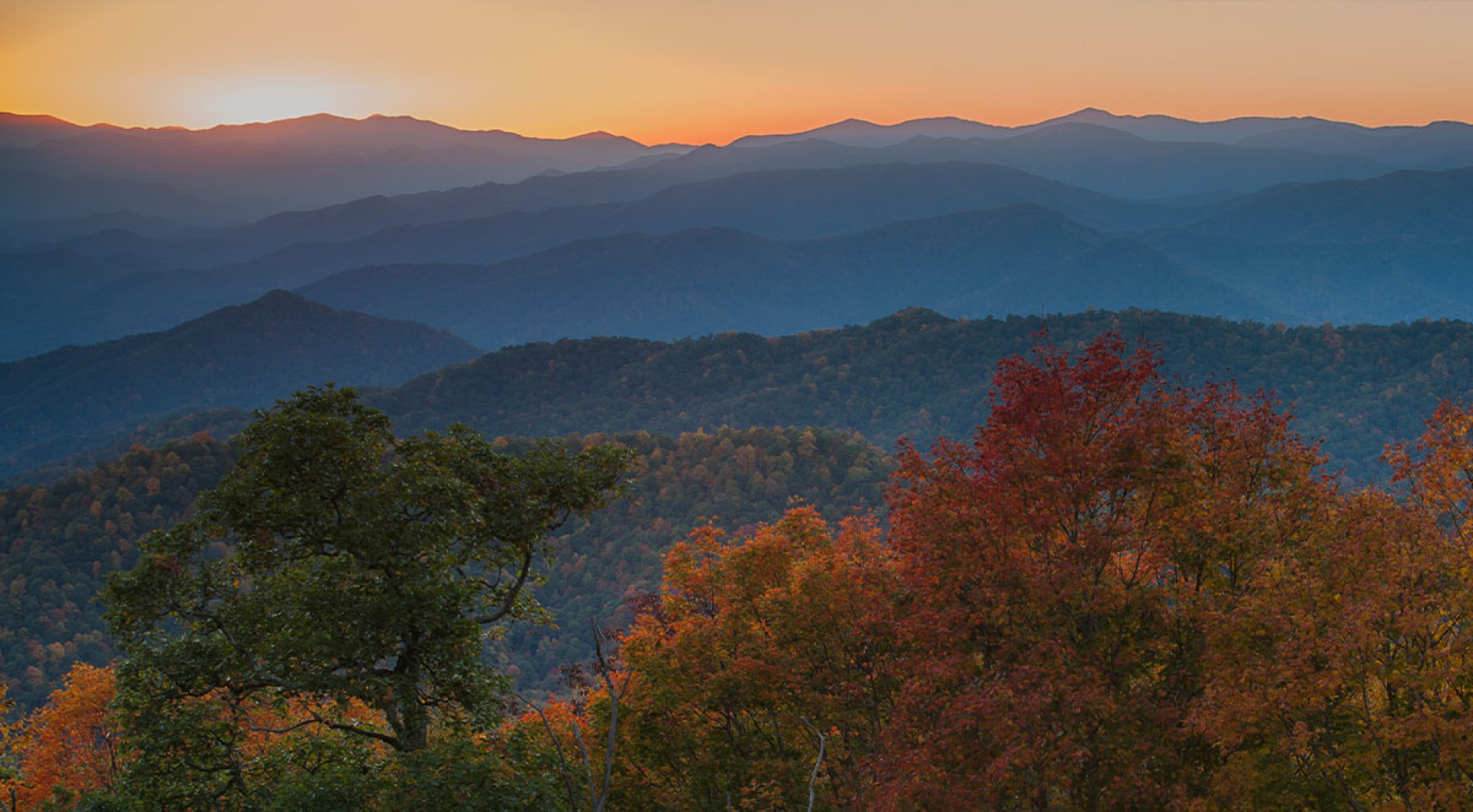
The Appalachian region produces some of the most sought-after hardwoods in the world. The combination of ideal growing conditions—including rich soil, adequate rainfall, and proper elevation—creates hardwood with superior color, grain consistency, and structural integrity.
What makes Appalachian hardwoods stand out from lumber sourced from other regions?
- Growth density: The region's seasonal climate creates more defined growth rings, resulting in more stable lumber
- Color consistency: Appalachian hardwoods typically feature more uniform coloration
- Structural integrity: Slower growth rates produce denser, stronger wood
- Superior workability: The grain structure makes these hardwoods ideal for machining, sanding, and finishing
At Church & Church, we carefully select and harvest the healthiest trees from managed forests throughout the Appalachian region, ensuring sustainable practices that protect this valuable resource for future generations.
2. Species Breakdown and Applications
Red Oak
Characteristics:
- Rich reddish-brown color with prominent grain patterns
- Excellent strength-to-weight ratio
- Good shock resistance
- Consistent texture
- Takes stain exceptionally well
Best Applications:
- Furniture manufacturing (particularly case goods)
- Cabinet components
- Interior trim and millwork
- Flooring
- Architectural elements
Red oak remains one of our most popular hardwoods due to its versatility and consistent performance in manufacturing environments. Its pronounced grain pattern makes it an excellent choice for traditional furniture styles.
White Oak
Characteristics:
- Light to medium brown color with straight grain
- Exceptional durability and strength
- Resistance to moisture and decay
- Tighter grain pattern than red oak
- Available in rift-sawn and quarter-sawn cuts for premium applications
Best Applications:
- High-end cabinetry
- Flooring (especially in high-traffic areas)
- Architectural millwork
- Barrel making
- Exterior applications due to natural weather resistance
Our quarter-sawn and rift-sawn white oak options are particularly valued by manufacturers producing high-end furniture and millwork where distinctive ray flecks and straight grain lines are desired.
Poplar
Characteristics:
- Light cream to yellowish-green color
- Straight, uniform grain
- Medium density with good stability
- Excellent paint adhesion
- Cost-effective option
Best Applications:
- Painted furniture components
- Interior cabinetry components
- Drawer sides and backs
- Millwork substrates
- Crafting and turning
Poplar offers an excellent balance between workability and cost, making it ideal for parts that won't be visible in the final product or for painted applications where grain appearance isn't critical.
Hickory
Characteristics:
- Light to medium brown with distinctive color variation
- Extremely hard and dense
- Exceptional strength and shock resistance
- Distinctive character with mineral streaks
- Challenging to machine but results in durable components
Best Applications:
- Flooring for high-traffic areas
- Tool handles
- Rustic furniture
- Decorative architectural elements
- Applications requiring exceptional strength
The distinctive character and unmatched hardness of hickory make it perfect for manufacturers looking to create products with rustic appeal and outstanding durability.
Maple (Soft & Hard)
Characteristics:
- Pale, creamy white to light reddish-brown color
- Tight, uniform grain structure
- Hard maple offers superior hardness and wear resistance
- Soft maple provides good workability with moderate strength
- Both take finish well and can be stained to mimic other species
Best Applications:
- Hard maple: Kitchen cutting surfaces, flooring, high-end furniture
- Soft maple: General millwork, furniture components, cabinet interiors
- Both: Contemporary furniture designs where clean, consistent appearance is desired
Our maple lumber is carefully selected for consistent color, making it perfect for contemporary designs where a clean, uniform appearance is essential.
Cherry
Characteristics:
- Rich reddish-brown color that deepens with age
- Straight grain with occasional figure
- Moderate hardness and stability
- Exceptional finishing characteristics
- Premium price point reflecting its desirability
Best Applications:
- High-end furniture
- Fine cabinetry
- Architectural millwork
- Interior doors
- Decorative panels
Cherry is prized for its warm color that continues to deepen and become more beautiful with age, making it ideal for heirloom-quality furniture and millwork applications.
Walnut
Characteristics:
- Rich chocolate brown color with occasional purple undertones
- Straight grain with occasional figure
- Moderate weight and hardness
- Excellent dimensional stability
- Premium price point
Best Applications:
- Luxury furniture
- Gunstocks
- High-end cabinetry
- Architectural paneling
- Decorative veneers
Our American walnut is carefully selected for consistent color and grain, making it the perfect choice for manufacturers creating luxury products where appearance is paramount.
Other Available Species
We also provide Ash, Sycamore, Beech, and other specialty hardwoods from the Appalachian region, each with unique characteristics suited for specific manufacturing applications. Our forestry experts can help you select the perfect species for your particular needs.
3. Understanding Lumber Grades
Lumber grading standards ensure you get exactly the quality you need for your specific application. At Church & Church, we follow National Hardwood Lumber Association (NHLA) grading rules while also offering custom grading for specific manufacturing requirements.
Standard NHLA Grades
FAS (First and Seconds):
- Highest grade with minimum 83-1/3% clear cutting area
- Minimum board size: 6" width × 8' length
- Ideal for high-end furniture, millwork, and architectural elements where appearance is critical
Select:
- Combination of FAS face with No. 1 Common back
- Excellent value for applications where one face is visible
- Perfect for cabinet sides, furniture components, and millwork
No. 1 Common:
- Minimum 66-2/3% clear cutting area
- Good balance between appearance and value
- Ideal for cabinet components, furniture parts, and flooring
No. 2 Common:
- Minimum 50% clear cutting area
- Contains more character marks and smaller clear cuttings
- Excellent for rustic furniture, flooring, and pallets
Our certified lumber graders ensure consistent application of these standards, giving manufacturers confidence in the quality of every board.
4. Selecting the Right Hardwood for Your Application
Choosing the right species and grade involves balancing several factors:
Furniture Manufacturing Considerations
For furniture manufacturing, consider:
- Visible surfaces: Use higher grades (FAS, Select) for visible components
- Structural requirements: Choose species with appropriate strength (oak, maple, hickory)
- Design aesthetic: Select species that complement your design style (cherry for traditional, maple for contemporary)
- Finishing requirements: Some species (cherry, maple) accept stain differently than others
Millwork and Architectural Applications
For millwork applications:
- Dimensional stability: Critical for door frames, window components (white oak, cherry)
- Paint vs. stain: For painted millwork, poplar offers excellent value
- Wear resistance: For high-traffic areas, consider harder species (hard maple, white oak)
- Exterior use: Only certain species (white oak) have natural weather resistance
Flooring Manufacturing Requirements
Flooring manufacturers should consider:
- Hardness: Janka hardness rating indicates dent resistance (hickory and maple are hardest)
- Stability: Choose species less prone to movement with humidity changes
- Character: Determine if mineral streaks and color variation are desirable
- Finishing characteristics: Some species require special finishing techniques
5. Working with Church & Church
Our team works closely with manufacturers to ensure you receive exactly the lumber you need for your specific application.
Custom Specification Process
We can provide lumber cut to your specifications, including:
- Custom thicknesses (1/2" to 16/4")
- Specific widths and lengths
- Special sorting parameters
- Color-matched bundles
- Moisture content requirements
Quality Control Measures
Every board that leaves our facility undergoes rigorous quality control:
- Precise moisture content verification
- Consistent thickness and dimension checks
- Proper grading by certified professionals
- Careful handling to prevent damage
Ordering and Delivery Options
We offer flexible ordering options:
- Mixed-species loads to meet varied production needs
- Regular delivery schedules for just-in-time manufacturing
- Export packaging and documentation
- Container loading services
- Domestic and international shipping
Frequently Asked Questions
1. What makes Appalachian hardwoods superior to those from other regions?
Appalachian hardwoods grow in optimal soil and climate conditions, with seasonal temperature variations that create more defined growth rings. This results in lumber with superior color consistency, density, and structural stability compared to faster-growing trees from other regions.
2. How should I specify moisture content for my manufacturing application?
For most interior furniture and millwork applications, a moisture content of 6-8% is ideal. Flooring typically requires 6-9% moisture content. For exterior applications, slightly higher moisture content (9-12%) may be appropriate. Our kiln operators can dry to your exact specifications.
3. Can Church & Church provide lumber surfaced to specific dimensions?
Yes. We offer S2S (surfaced two sides) and S4S (surfaced four sides) processing, allowing us to deliver lumber with precise thickness and width specifications. This can reduce waste and processing time in your manufacturing facility.
4. What is the difference between quarter-sawn, rift-sawn, and plain-sawn lumber?
These terms refer to how logs are cut at the sawmill, which affects grain pattern and stability:
- Plain-sawn (most common): Shows cathedral grain pattern, most economical cutting method
- Quarter-sawn: Cut perpendicular to growth rings, creates straight grain pattern with distinctive ray flecks, exceptional stability
- Rift-sawn: Cut at an angle to growth rings, produces straight grain without flecks, minimal expansion/contraction
5. How do I ensure color consistency across multiple orders?
For projects requiring color consistency across multiple production runs, we recommend:
- Specifying "color-sorted" in your order
- Ordering all needed material at once when possible
- Discussing specific color requirements with our sales team
- Considering species like maple and cherry that naturally offer more consistent coloration
6. What sustainability practices does Church & Church follow?
Church & Church is committed to sustainable forestry practices. We work with landowners to develop harvest plans that ensure forest health and regeneration. Our forestry team follows Best Management Practices per North Carolina Forest Service guidelines, and we utilize 100% of harvested timber through various product streams, including lumber, chips, sawdust, and mulch.
Conclusion
Selecting the right Appalachian hardwood species and grade is critical to manufacturing success. At Church & Church Lumber, our four generations of experience in the hardwood industry allow us to provide not just premium lumber, but also the expertise to help you make the perfect selection for your specific application.
Contact our team today to discuss your hardwood lumber needs and discover why manufacturers across the country and around the world trust Church & Church for their premium Appalachian hardwood supply.
Contact Church & Church Lumber
Phone: (336) 973-5700
Find our online contact form here