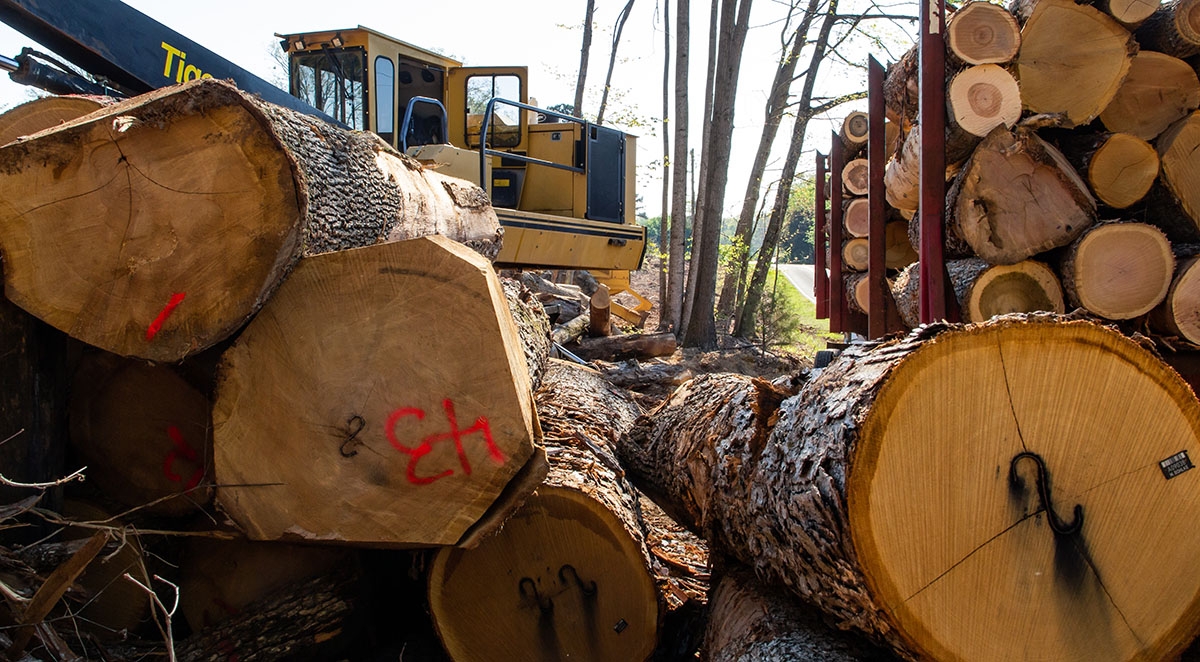
If you are a landowner with forested property, you have likely thought to yourself, “What is my timber worth?” or “How do I go about logging my property?” These questions should and could be answered by a registered forester. However, getting started can be daunting. In some cases, it can be easy to lose money when working with the wrong logger.
Additionally, not all properties can bring a premium. Several variables can affect the economic viability of a property, let alone whether or not it is actually possible to harvest timber.
All of this is why proper timber harvesting matters. Working with a registered forester to plan your timber sale way ahead of time can help cut down on headaches such as:
- Access issues
- Water quality issues
- Low-quality timber
- Poor timber harvesting practices
- Bad timing(ie. Harvesting too soon, or too late)
Foresters and timber buyers can help you maximize the value of your marketable timber while also protecting the long-term health of your forest, allowing your heirs to reap the benefits of one of the world's greatest natural, renewable resources.
In this blog, we will discuss the seven most important steps of a timber harvest and how Church and Church Lumber Company will walk you through the whole thing.
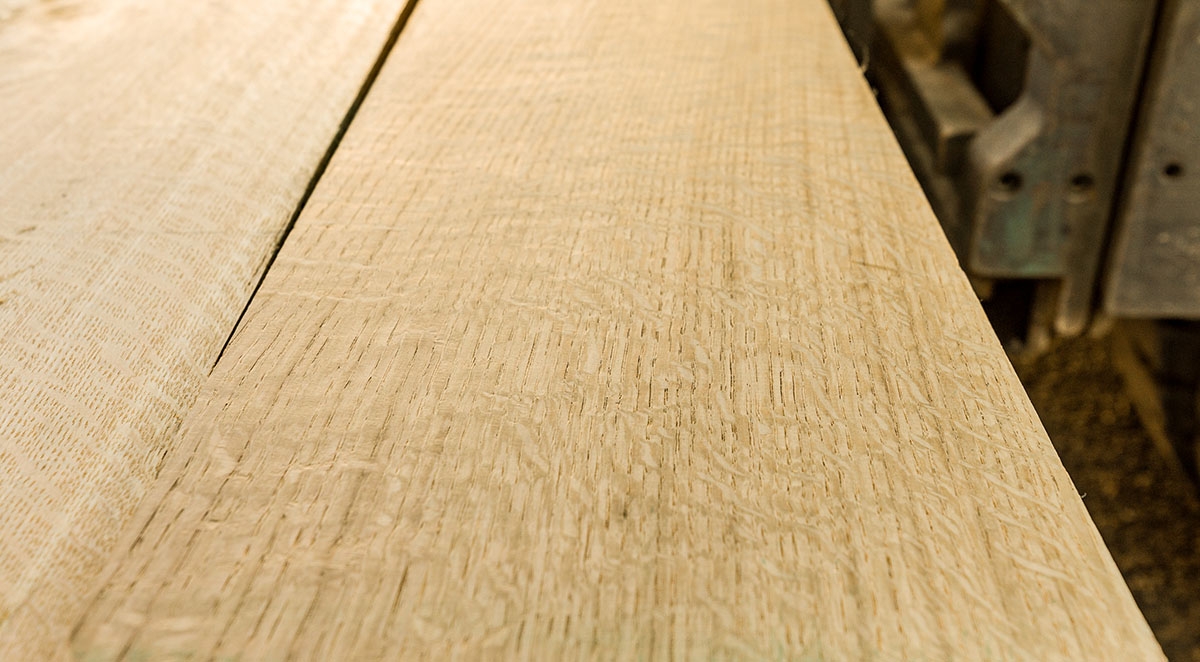
Hardwoods come in types of species and finishes, from the beautiful color of mahogany to the intricate grain structure of maple. However, there is nothing quite as distinctive in the domestic timber market as rift and quartered white oak. Because of rift and quartered white oak’s strength, aesthetic, and resilience, it is used by contractors and manufacturers across a variety of industries.
In this article, we will explore rift and quartered white oak as well as its applications across the wood products industry.
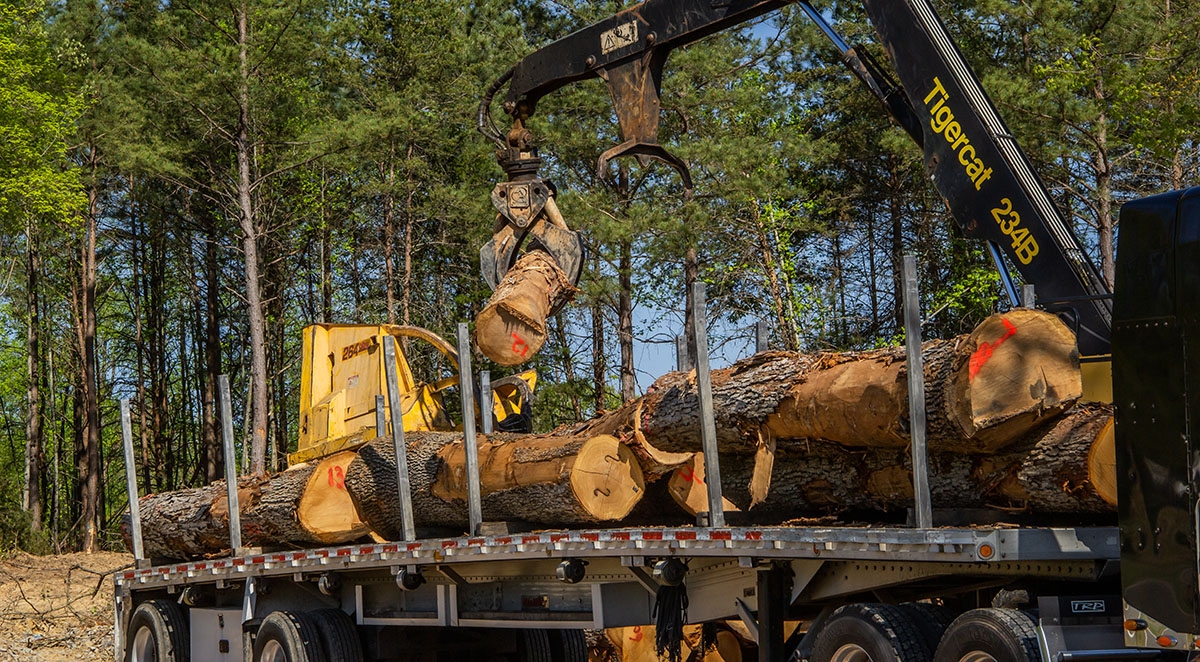
If you are a landowner with timber on your property, it has probably crossed your mind many times whether or not you should harvest your timber. There are plenty of reasons not to, but there are just as many, if not more, pros to a timber harvest.
Timber harvesting is a very important part of forest management. Oftentimes, harvests intentionally create wildlife habitat and improve the quality and biodiversity of a timber stand. Active management can address issues that the forest is experiencing and increase growth rates. Timing timber harvests correctly can allow for timber stand regeneration and improvement.
However, there can be a right and wrong time. Harvest at the wrong time, and you could miss out on the maximum economic benefit to your timber harvest, or worse. Because of this, it is important to work with a registered forester to ensure that your property is properly managed and your timber harvest is timed in such a way that it maximizes profit and sustainability.
In this article, we hope to answer the question, “How to know when to harvest your timber?
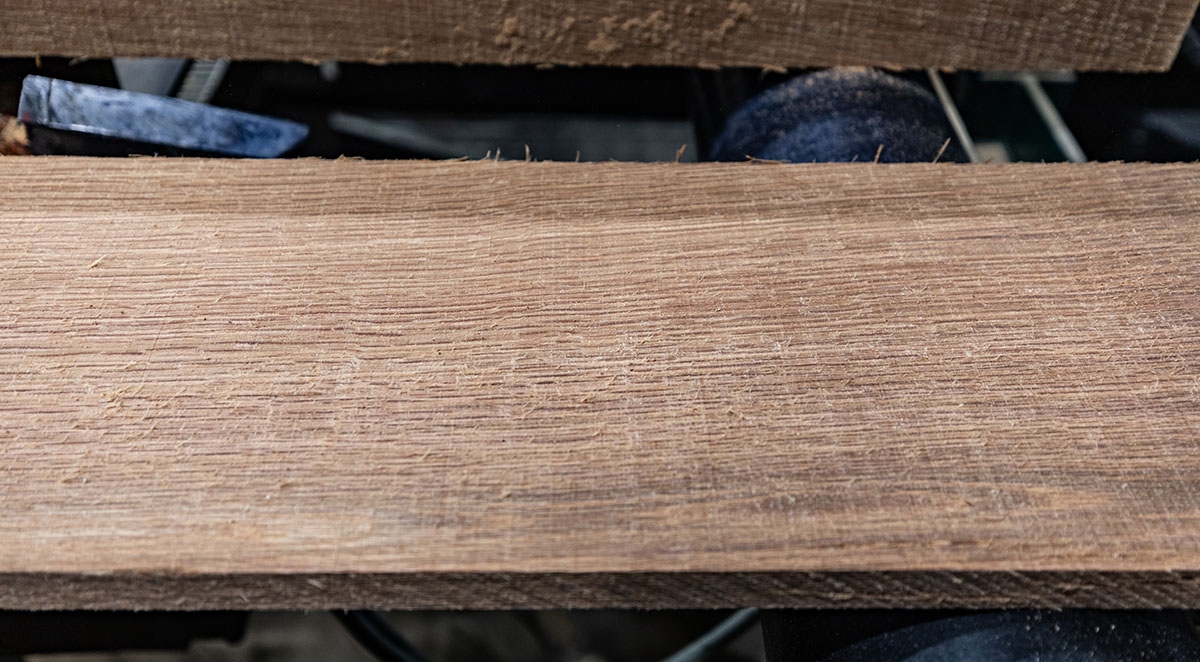
Hardwood lumber has many uses across the wood product industry. It is extremely important to builders, designers, and manufacturers due to its strength, aesthetics, and resilience. As builders and manufacturers across the country grow, more and more of them are looking for the best quality hardwood lumber available that is consistent. More often than not, they are looking for rift and quarter-cut white oak.
In this article, we will look at what sets rift and quarter cut white oak apart from the rest, as well as 10 reasons as to why you should choose it for your next product.