Selling Timber in North Carolina
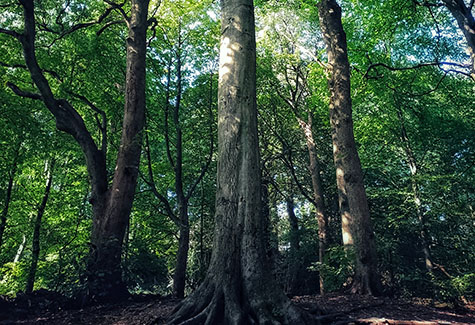 If you are a landowner in North Carolina, you may only be utilizing part of the value of your property. In some cases, landowners do not understand the value of what is one of North Carolina’s top economic drivers: the timber industry.
Selling timber in North Carolina is part of the state's heritage. From harvesting pitch pine for naval products before the Revolutionary War to the loblolly pine and hardwood timber used in modern construction, North Carolina’s economy is inextricably linked to the timber market.
As a landowner, understanding that your land is valuable in more ways than one is vital to getting the most out of your investment, and selling timber is a great way to do so. Knowing when the right time is and working with the right sawmill can be a huge benefit and help with reaching your financial goals. Church and Church Lumber Company and its subsidiaries are a great resource for timber buying throughout North Carolina.
Timber Types Local to North Carolina
There are a variety of timber types and wood species that can be found across the state of North Carolina, some of which may be on your property! The primary classifications of commercial classifications can be sorted into three groups.
1. Pulpwood
Younger trees measuring 6-9 inches in diameter or lower-quality trees are classified as pulpwood. This wood product is chipped entirely into wood fibers and then chemically or mechanically treated for use in paper, cardboard, fiberboard, or absorbent pulp manufacturing. Pulpwood is the lowest market value, but is often easiest to sell.
2. Chip-and-Saw
Mid-sized trees that measure 10-13 inches in diameter that are transitioning from pulpwood to full sawtimber size are called Chip-and-Saw or CNS. Specialized mills use a combination of chipping and sawing to cut small-dimension lumber from the center of the log while chipping the outer slabs for pulpwood. CNS yields a higher return for landowners than pulpwood.
3. Sawtimber
Most of what loggers look for when cruising timber to buy is sawtimber. This is mature, high-quality wood from trees typically measuring over 14” in diameter. It will have straight trunks and minimal defects. These logs are sawn into high-value structural dimensional lumber, furniture components, flooring, or millwork. Sawtimber is the most valuable lumber by volume.
4. Poles and Veneer
Some logs may be considered premium select and can be used as utility poles or peeled into plywood and decorative wood veneer. These logs are not very common and can command premiums.
Species of Trees That We Harvest in North Carolina
North Carolina, along with much of Appalachia, offers a wide range of hardwoods and softwoods that are valued for anything from necessary building materials to craft flooring and furniture. Church & Church Lumber Company ensures that every wood is used to its fullest potential by working with nearby landowners to get these varied species.
The most commonly harvested timber species in this region include:
- White Oak: Known for its strength, durability, and natural resistance to moisture, white oak is widely used for cabinetry, flooring, furniture, and barrel production.
- Red Oak: Recognized for its prominent grain and warm color, red oak is a versatile hardwood commonly used for flooring, furniture, cabinetry, and interior millwork.
- Hickory: Exceptionally strong and durable, hickory is well suited for applications that demand toughness, including flooring, furniture, tool handles, and other heavy-use products.
- White Ash: With its light color and straight, consistent grain, white ash is valued for furniture, architectural millwork, flooring, and sporting goods.
- Cherry: Prized for its rich color and smooth grain, cherry is a popular choice for high-end cabinetry, furniture, interior woodwork, and specialty products.
- Beech: A strong, fine-textured hardwood with a uniform appearance, beech is commonly used for furniture, flooring, veneers, and specialty wood products.
- Yellow Poplar: Lightweight, stable, and easy to work with, yellow poplar is frequently used for paint-grade cabinetry, trim, siding, furniture components, and other interior applications.
- White Pine: An easily machined softwood valued for its workability and versatility, white pine is commonly used for paneling, shelving, trim, and traditional construction.
- Loblolly Pine: An important commercial species throughout the Southeast, loblolly pine is widely used for structural lumber, plywood, utility poles, and other construction products.
The value of a timber stand depends on more than the species growing on your property. Tree size, quality, age, volume, accessibility, and overall forest conditions can all influence how timber can be harvested and marketed. At Church and Church Lumber Company, our forest management professionals can evaluate your property and help identify appropriate management strategies and potential markets for the timber growing on your land.
Selling Timber in North Carolina with Church and Church Lumber Company
At Church and Church Lumber Company, we take pride in our four generations of sawmilling heritage along with our experience in the logging and timber industry. This experience has taught us that a timber harvest involves more than simply cutting and selling trees. We work with landowners to develop thoughtful harvesting strategies that consider the health of the forest, the goals of the property owner, and the potential value of the timber.
Timber is also used in far more industries than traditional construction. Harvested wood and wood-based products contribute to a wide range of applications, including:
- Paper and pulp products
- Health and beauty products
- HVAC components
- Agriculture and farming
- Furniture and millwork
- Logistics and packaging
- Transportation
- Telecommunications
- Marine and mining applications
- Fencing and pasture infrastructure
- Landscaping products
- Bioenergy
- Sporting equipment
- Musical instruments
This broad demand creates opportunities for landowners with marketable timber. By understanding the species, quality, volume, and potential uses of the trees on your property, you can make more informed decisions about your forest and its long-term value.
Sell Your North Carolina Timber with Church and Church Lumber Company Today!
When it is time to harvest the timber on your property, working with an experienced local timber buyer can help you understand the value of your stand and make informed decisions about the sale. Church and Church Lumber Company works directly with landowners throughout North Carolina and the surrounding region to purchase standing timber and provide guidance throughout the timber sale process.
As a fourth-generation family-owned company, we understand the importance of responsible timber harvesting and treating landowners fairly. Every tract is evaluated individually based on factors such as tree species, timber quality, volume, accessibility, and current market conditions.
Our experience and resources allow us to handle timber sales involving a wide range of properties and species, from loblolly pine and white pine to mature Appalachian hardwoods and mixed stands.
If you are considering a timber harvest, contact Church and Church Lumber Company to schedule a timber evaluation and learn more about the options available for your property.