Everything You Need To Know About Forestry Management and Harvesting Timber
Forestry management and timber harvesting shape the long-term health, productivity, and financial value of forestland. Landowners who treat timber as a one-time transaction often leave value on the table and create avoidable problems for future generations. Thoughtful forestry management focuses on stewardship, planning, and execution that align landowner goals with ecological realities and market demand.
Forests are living ecosystems that respond to cutting methods, timing, species selection, and regeneration practices over time. Decisions made today influence soil stability, water quality, wildlife habitat, and timber value long after a harvest is complete. Effective forestry management is a long-term strategy that maximizes value while maintaining stewardship and sustainability.
Timber harvesting represents one phase of a much larger process. Without planning, harvesting can damage residual stands, reduce growth potential, and complicate future access. When harvesting is guided by a management plan, it becomes a tool that improves forest structure, increases stand quality, and supports sustainable wood supply.
Church and Church Lumber Company approaches forestry management and timber procurement as a connected system. Our work begins with careful evaluation and planning, continues through responsible harvesting, and extends into regeneration and long-term forest improvement. We focus on stewardship, transparency, and developing strategies that benefit both landowners and forests.
This guide provides a detailed overview of forestry management and timber harvesting for landowners seeking to understand their options, protect their land, and make informed decisions. It covers evaluation, planning, harvesting methods, procurement, and post-harvest care, all through the lens of long-term forest stewardship.
I. Understanding Forestry Management As A Long-Term Strategy
1. What Forestry Management Really Means
Forestry management is the intentional, ongoing care of forest resources to meet specific objectives over time. It considers how forests grow, respond to disturbance, and regenerate naturally. Management decisions guide which trees are removed, which are retained, and how the forest develops after intervention.
Forestry management helps establish healthy woodlands as a resource for generations. It treats timber not as an extractive resource but as a renewable one that benefits from thoughtful intervention. Each action builds upon the last, shaping future opportunities rather than limiting them.
2. What Are The Goals Of Professional Forestry Management
Clear goals provide direction and prevent reactive decision-making. Forestry management translates landowner priorities into practical strategies that respect forest biology.
Common forestry management goals include:
- Sustainable Timber Production: Maintaining consistent yields while protecting future harvest potential.
- Improved Timber Stand Quality: Favoring healthy, well-formed trees that increase long-term value.
- Soil and Water Protection: Preserving site productivity and preventing erosion.
- Wildlife Habitat Support: Creating structural diversity across age classes.
- Long-Term Land Value: Improving marketability and flexibility of the property.
3. What Forestry Management Accomplishes Before Harvesting
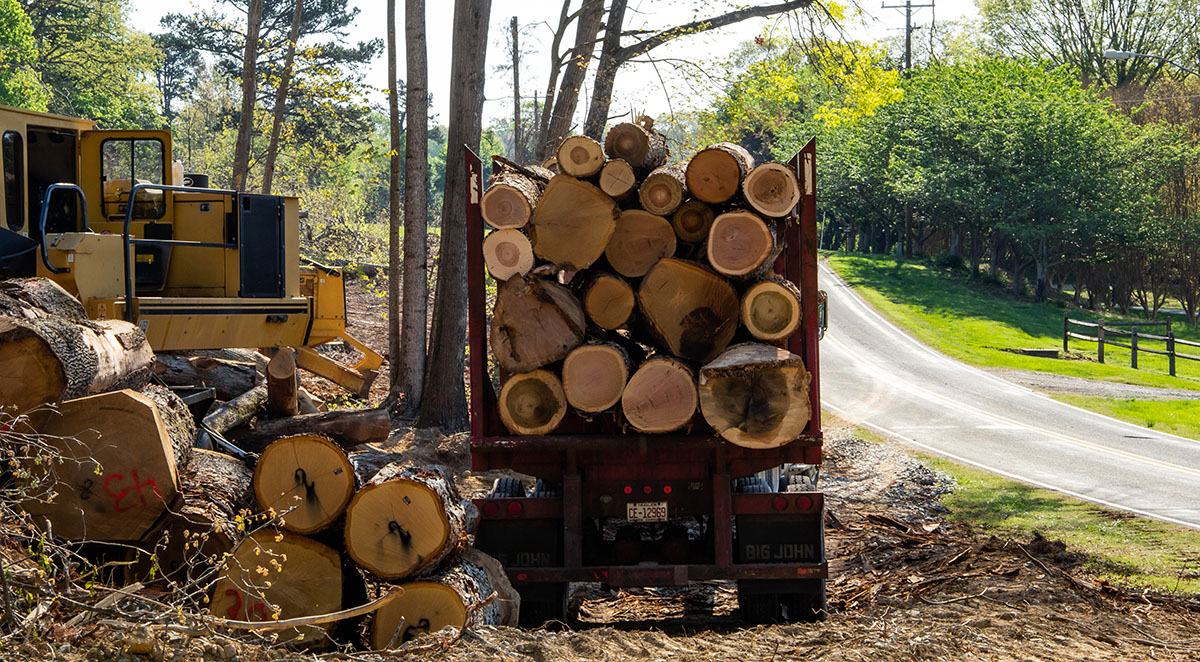
Harvesting without a management framework can lead to overcutting, high-grading, or site damage. Forestry management ensures that harvesting improves the forest rather than degrading it. Decisions are based on measurable conditions, growth patterns, and long-term projections.
II. The Importance of Evaluating Forests Before Harvesting Timber
1. Initial Forest Assessment
Forest evaluation establishes the foundation for all management decisions. It identifies current conditions and constraints that influence harvesting and regeneration.
An assessment examines species mix, age distribution, stocking levels, and tree health. Terrain, soils, and drainage are evaluated to determine access feasibility and equipment limitations. Existing roads, stream crossings, and sensitive areas are documented.
2. Identifying Timber Value And Future Potential
Timber value is influenced by species, size, quality, accessibility, and market demand. A management-driven evaluation distinguishes between trees ready for harvest and those that should be retained to increase value over time.
Future potential is often overlooked. Retaining high-quality trees can dramatically improve the value of subsequent harvests and overall stand performance.
3. Aligning Evaluation With Landowner Goals
Evaluation results must be interpreted in light of landowner objectives. Income-focused strategies differ from those emphasizing long-term improvement or conservation. Forestry management adapts recommendations rather than forcing uniform solutions.
III. Forestry Management Planning And Decision Making
1. Creating A Forest Management Plan
A forest management plan documents current conditions, defines objectives, and outlines recommended actions. It serves as a practical guide rather than a static report.
Plans typically include maps, stand descriptions, harvesting recommendations, regeneration strategies, and timelines. They provide continuity across ownership changes and market cycles.
2. Selecting Appropriate Harvesting Methods
Selecting the correct harvesting method is one of the most consequential decisions in forestry management. The method chosen determines how remaining trees respond, how regeneration occurs, and how much long-term value is preserved. Harvesting should never be driven solely by short-term convenience or equipment availability.
Selective harvesting focuses on removing specific trees based on health, form, spacing, and species composition. This method improves stand quality by concentrating growth on the best remaining trees. Thinning reduces overcrowding and improves overall forest vigor, especially in younger or previously unmanaged stands. Clear cutting, when used intentionally, resets stand structure and supports regeneration for species that require full sunlight.
Forestry management evaluates each stand individually to determine which approach supports long-term objectives rather than applying the same method across an entire property.
3. Timing Harvests For Biological And Market Conditions
Harvest timing influences soil conditions, regeneration success, and financial outcomes. Operating during wet conditions can compact soil, damage residual trees, and increase erosion risk. Forestry management schedules harvesting when ground conditions support equipment without long-term harm.
Market timing also matters. Timber prices fluctuate based on demand, mill capacity, and broader economic factors. A management-driven approach evaluates whether immediate harvesting aligns with favorable markets or whether delaying harvest could improve returns without sacrificing forest health.
IV. Clear Cutting And Sustainable Harvesting Practices
1. How Clear Cutting Can Be Done with Stewardship and Resource Renewal at the Forefront
Clear cutting, when used judiciously, can play a significant role in supporting the regeneration of certain tree species that require full sunlight to thrive, such as some conifers and hardwoods. However, the implementation of clear cutting can lead to ecological issues if it is done without careful planning or oversight. These issues can include soil erosion, loss of biodiversity, and detrimental impacts on water quality.
For clear cutting to be effective and environmentally responsible, it is essential that it is executed with a well-conceived plan. This includes limiting the size of the clear cuts to manageable areas, ensuring they are strategically located to minimize ecological disturbance, and integrating effective regeneration strategies.
2. Principles Of Sustainable Harvesting
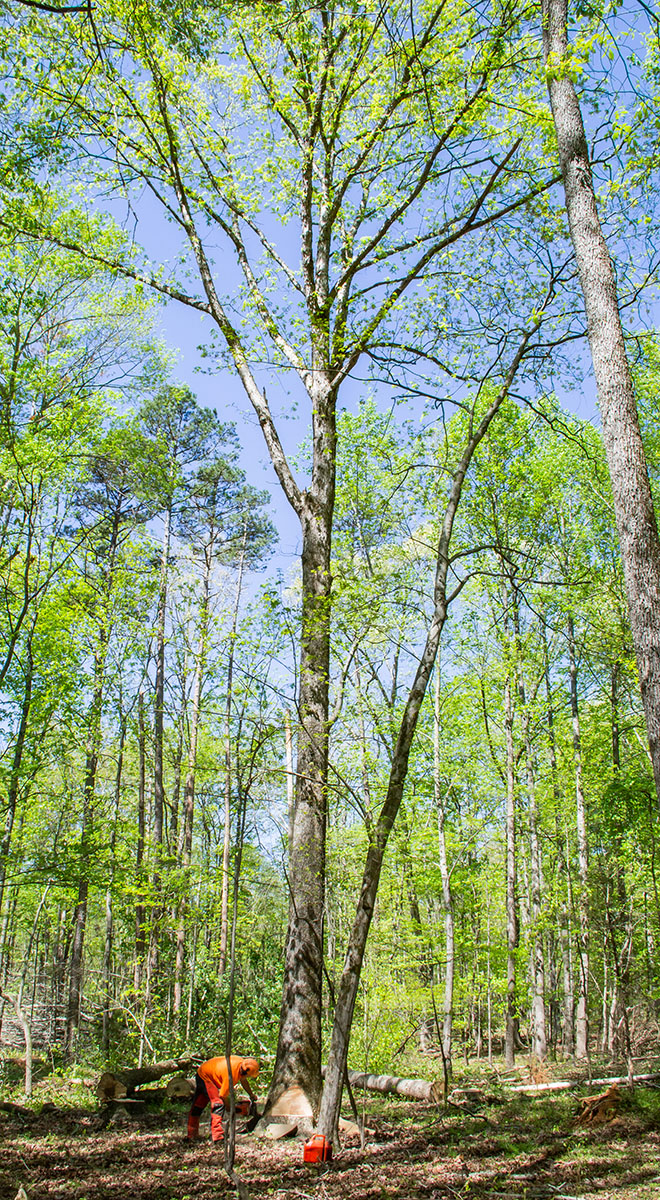 Sustainable harvesting is fundamentally about balancing the economic benefits of timber production with the need to maintain the health and productivity of forest ecosystems for future generations. The following key practices are essential to achieving sustainable harvesting goals:
- Retaining Buffers Around Streams and Sensitive Areas: Establishing buffer zones around waterways and critical habitats is vital to protect these areas from the negative impacts of logging. These buffers help to maintain water quality, reduce sedimentation, and provide habitats for various wildlife species.
- Designing Skid Trails to Minimize Soil Disturbance: The layout and construction of skid trails—pathways used for transporting logs—should be carefully planned to reduce soil compaction and limit erosion. This not only preserves the physical integrity of the forest floor but also promotes healthy regrowth by facilitating natural processes.
- Managing Harvest Size and Frequency: A sustainable approach requires careful management of how much area is harvested and how often. This typically involves setting limits on the size of clear cuts and ensuring that there is enough time for the forest to recover between harvests. This helps to maintain a continuous supply of timber while allowing for the ecosystem to regenerate effectively.
- Protecting Regeneration Potential: It is crucial to safeguard the potential for regrowth after a harvest. This includes promoting the growth of naturally occurring seedlings, planting new trees if necessary, and ensuring that young trees and seedlings are not damaged during harvesting operations. By focusing on maintaining a diverse forest composition, we can enhance resilience against pests, diseases, and climate change.
Incorporating these principles into timber harvesting practices supports the dual goals of economic productivity and ecological health, ensuring that forests remain vibrant and sustainable for generations to come.
3. Addressing Landowner Concerns About Clear Cutting
Many landowners approach clear cutting with understandable hesitation. Concerns often include visual impact, wildlife disruption, and long-term land value. Forestry management addresses these concerns through education, planning, and clearly defined boundaries.
By explaining regeneration timelines, habitat benefits, and post-harvest recovery expectations, landowners gain confidence in why a particular method is recommended. Transparent communication replaces uncertainty with understanding and helps landowners remain engaged throughout the process.
V. Timber Harvesting Operations And Execution
1. Pre-Harvest Preparation
Pre-harvest preparation is one of the most critical phases of forestry management because it determines whether harvesting improves the forest or creates long-term problems that are expensive to correct. Decisions made before equipment ever enters the property influence soil stability, residual stand quality, access for future management, and the overall efficiency of the operation.
Clear boundary identification protects landowners from disputes and unintended encroachment. Property lines, harvest limits, and exclusion zones must be clearly marked and communicated to all operators. Streamside management zones, wetlands, steep slopes, and other sensitive areas are identified and protected to prevent damage that could compromise water quality or regulatory compliance.
Access planning is equally important and often underestimated. Roads and landings must be located with an understanding of terrain, drainage, and long-term use. Poorly planned access can lead to erosion, rutting, and restricted future entry. Well-planned access balances operational efficiency with environmental protection and ensures the property remains usable for future forestry activities.
2. Equipment Selection And Harvest Methods
Equipment selection directly affects harvest quality, site condition, and residual stand damage. Forestry management evaluates terrain, soil type, timber size, and stand density before determining which equipment is appropriate. Using the wrong equipment for a site can compact soils, damage retained trees, and reduce regeneration success.
Modern forestry equipment allows for precise harvesting when operated by experienced crews who understand management objectives. Tracked machines may be appropriate for steeper or more sensitive terrain, while wheeled equipment can be effective on stable ground with proper planning. Equipment choice is never about speed alone. It is about matching machine capability to site conditions to protect long-term forest performance.
Harvest methods are coordinated with equipment selection. Directional felling, controlled skidding, and designated travel routes reduce unnecessary disturbance. When harvesting is treated as a managed process rather than a production race, outcomes improve for both landowners and forests.
3. Harvest Oversight And Quality Control
Active oversight ensures that harvesting remains aligned with the forestry management plan rather than drifting toward short-term expediency. Even experienced crews require clear guidance and accountability to maintain standards across changing conditions.
Monitoring focuses on protecting residual trees, maintaining boundary integrity, and ensuring equipment stays within designated access routes. Oversight allows issues to be addressed immediately, before they escalate into costly problems or irreversible damage.
Quality control also extends beyond the woods. It includes ensuring timber is harvested to specification, sorted correctly, and transported according to agreed terms. Ongoing communication between forestry managers, operators, and procurement teams protects landowner interests and reinforces transparency throughout the harvesting process.
VI. Timber Procurement And How To Understand The Market
1. Understanding Timber Procurement
Timber procurement is the bridge between forest management and end markets. It involves evaluating harvested material, identifying appropriate buyers, and coordinating logistics to move timber efficiently.
Procurement requires an understanding of log grades, species specifications, mill preferences, and transportation constraints. Without this knowledge, landowners risk undervaluing their timber or facing unnecessary deductions.
2. Matching Timber To Market Demand
Different markets demand different products. Sawtimber, pulpwood, and specialty logs serve distinct end uses with varying price structures. Matching timber to the right market improves returns and reduces waste.
Procurement decisions consider species, diameter, length, and quality to ensure timber is directed to buyers who value it appropriately rather than sold at a discount.
3. Transparency In Pricing And Transactions
Transparent pricing builds trust and prevents confusion. Landowners deserve clear explanations of how volume is measured, how prices are determined, and what deductions apply.
Effective procurement provides documentation and open communication so landowners understand the transaction from start to finish. Transparency reduces disputes and supports long-term relationships.
VII. Post-Harvest Forest Management And Regeneration
1. Site Stabilization After Harvest
Site stabilization is a critical phase of forestry management that directly affects soil health, water quality, and future access. Roads, landings, and skid trails must be reshaped, drained, and stabilized to prevent erosion and sediment movement. Poorly stabilized sites can undermine the benefits of even well-planned harvests.
Stabilization often includes grading, installing water control features, seeding disturbed areas, and reinforcing stream crossings. These actions protect downstream resources and ensure that the forest remains accessible for future management activities rather than becoming a liability.
2. Regeneration Planning
Regeneration planning determines what the forest becomes after harvesting. Whether regeneration occurs naturally or through planting, it must align with species objectives, site conditions, and long-term management goals.
Natural regeneration relies on seed sources, soil conditions, and light availability, while artificial regeneration allows more control over species composition and spacing. Forestry management evaluates which approach best supports desired outcomes and monitors early growth to ensure success.
3. Evaluating Long-Term Results
Post-harvest evaluation measures whether management objectives were achieved and identifies areas for adjustment. Growth rates, regeneration success, and stand structure are assessed over time rather than immediately after harvest.
These evaluations inform future thinning, harvest timing, and regeneration decisions. Long-term monitoring transforms harvesting from a one-time event into an ongoing management process that improves forest performance over successive cycles.
VIII. Environmental Responsibility And Best Practices
Soil and water protection form the foundation of responsible forestry management. Compacted soils and eroded slopes reduce productivity and create long-term problems that are difficult to correct.
Best practices include maintaining vegetative buffers, controlling runoff, and minimizing disturbance on sensitive soils. Protecting these resources preserves site productivity and supports compliance with environmental standards.
Protecting and Preserving Wildlife Habitats
Managed forests can support diverse wildlife habitats when harvesting and regeneration are planned intentionally. Different age classes, canopy openings, and species mixes create structural diversity that benefits a wide range of species.
Forestry management considers habitat impacts alongside timber objectives, ensuring that forest operations contribute positively to ecosystem function rather than simplifying it.
How to Ensure Regulatory Compliance
Responsible forestry operates within regulatory frameworks designed to protect public and private resources. Compliance with best management practices and applicable regulations reduces risk and reinforces stewardship goals.
Professional oversight ensures that operations meet these standards consistently, protecting landowners from unintended violations and long-term liabilities.
IX. Working With A Professional Forestry And Timber Partner
1. The Value Of Forestry Management Experience
Forestry decisions influence land value, productivity, and usability for decades. Experience matters because mistakes in harvesting, access planning, or regeneration can be costly and difficult to reverse.
An experienced forestry partner understands how local conditions, markets, and forest dynamics interact. This knowledge reduces risk and improves the likelihood that management objectives are achieved.
2. Forestry Management And Procurement
Integrating forestry management with timber procurement ensures continuity from planning through execution and sale. When these functions are disconnected, landowners often experience misalignment between management goals and market outcomes.
An integrated approach aligns harvesting decisions with market realities while preserving long-term forest value.
3. How We Develop Long-Term Partnerships with Landowners
Successful forestry relationships extend beyond single harvests. Long-term partnerships are built on communication, transparency, and consistent performance.
Working with the same forestry partner over time allows for continuity in management decisions, improved outcomes across harvest cycles, and greater confidence in the future of the forest.
X. Choosing Church And Church Lumber For Forestry Management And Timber Harvesting
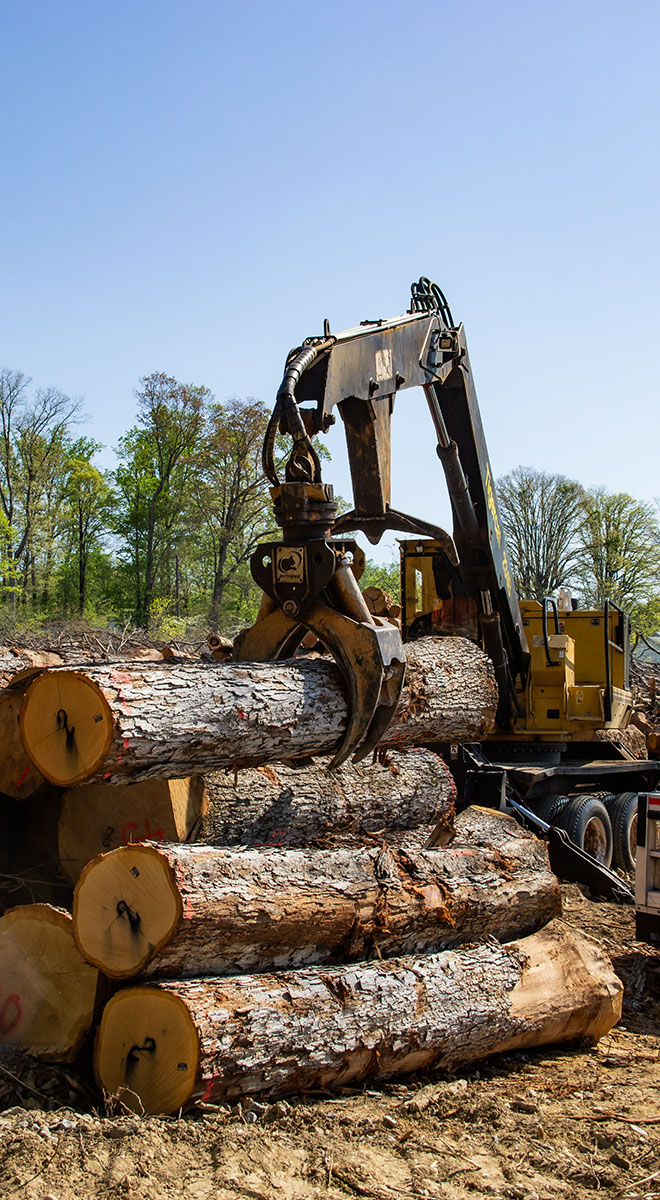 Church and Church Lumber approaches forestry management with experience, expertise, and respect for the land because forestry decisions do not end when a harvest is complete. They shape access, productivity, and value for decades. Our approach begins with stewardship of the land itself, so we strive to understand species composition, stand structure, soils, terrain, and access limitations before any recommendations are made.
We evaluate forest conditions carefully to identify both immediate opportunities and long-term potential. This includes recognizing which trees should be harvested now, which should be retained to increase future value, and which areas require improvement through thinning, regeneration, or deferred action. Forestry management is not about maximizing short-term yield. It is about positioning the forest to perform better over time.
Our strategies are built around protecting future value by avoiding common mistakes such as high-grading, overcutting, or harvesting without regeneration planning. We focus on stand improvement, site protection, and realistic timelines that align landowner goals with how forests actually grow and recover. The result is a forest that remains productive, accessible, and valuable well beyond a single harvest cycle.
Timber Procurement and Lumber Market Expertise
Our procurement team understands timber markets, grading standards, and logistics. We explain pricing clearly and align harvesting decisions with market conditions rather than shortcuts.
Forestry management and timber harvesting are decisions that shape land for decades. Choosing the right partner determines whether your forest improves or declines over time. If you own forestland and are considering harvesting timber, developing a management plan, or evaluating long-term options, Church and Church Lumber is prepared to help.
Our team combines forestry management expertise with timber procurement experience to deliver clarity, accountability, and results. We work with landowners who value responsible stewardship and want a partner invested in the future of their forest.
Contact Church and Church Lumber to discuss your property, your goals, and how professional forestry management and timber harvesting can protect your land while unlocking its full potential.