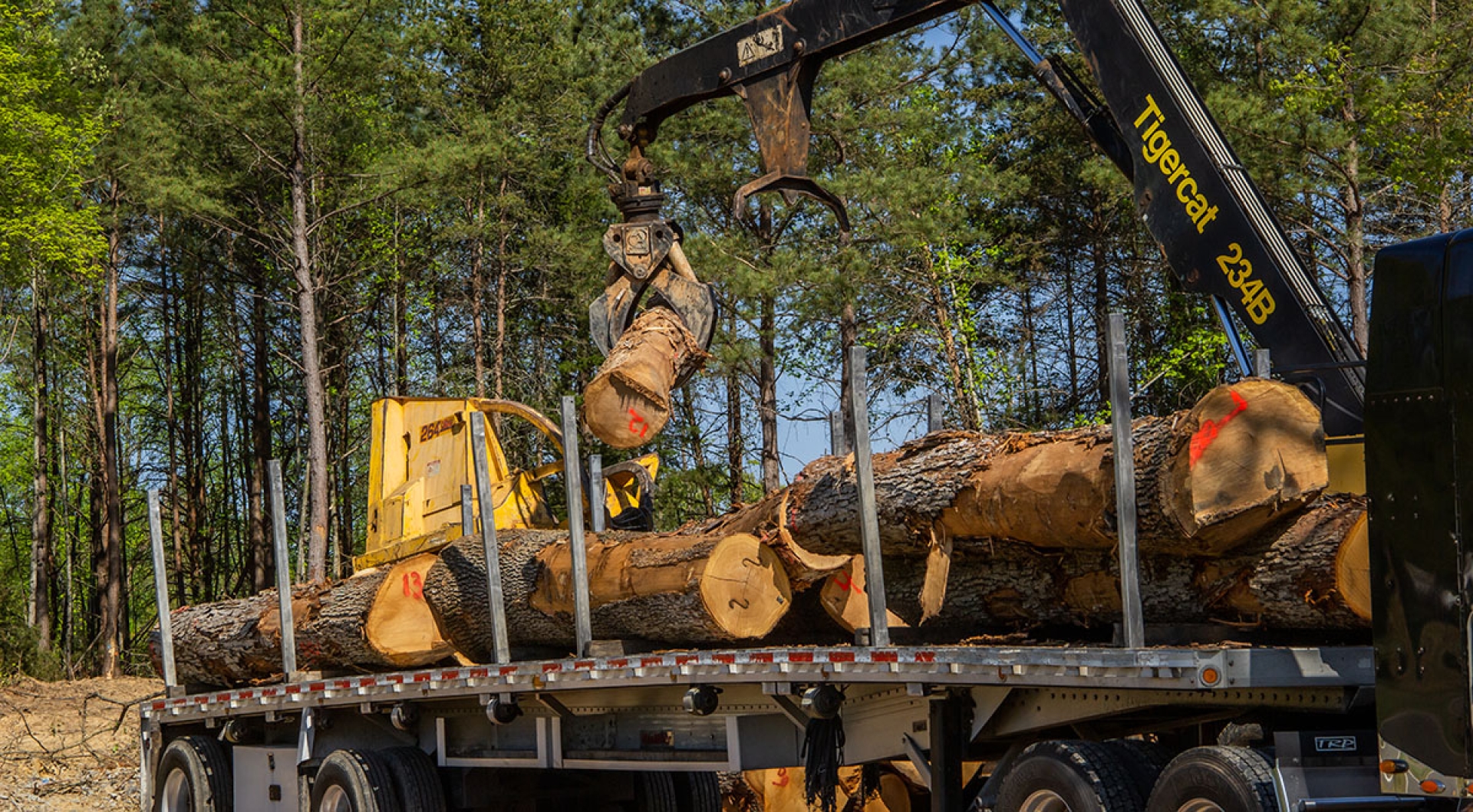
How Timber Value is Evaluated
To better understand when timber is ready to harvest, it is important to have a grasp of how a stand of timber is assigned value. Not all trees are the same, and the size and quality of a tree can impact the price just as much as the species. Professional timber buyers will evaluate a combination of factors to determine what the timber is worth before they make an offer.
Because every tract of land is different, two properties with the same acreage can have significantly different timber values.
1. Species
One of the biggest factors is the species of trees growing on the property. High-demand hardwoods such as white oak, walnut, cherry, and select red oak often command higher prices because they are used for products like flooring, furniture, cabinetry, and export lumber. Other species may still have value, but the market price varies depending on local demand and how the wood will be used.
2. Tree Size and Quality
Tree size and quality are equally important. Larger, mature trees generally produce more usable lumber than younger trees, making them more valuable. Buyers also look for straight trunks with minimal defects such as knots, rot, storm damage, insect damage, or excessive branching. High-quality logs that can be sawn into premium lumber are typically worth considerably more than trees that are only suitable for pallet stock, railroad ties, or pulpwood.
3. Access to Timber
Accessibility can also have a major impact on timber value. A tract with good road access, favorable terrain, and enough room for logging equipment is typically less expensive to harvest than timber located on steep slopes or in difficult-to-reach areas. Lower harvesting costs often allow buyers to offer more competitive prices for the timber.
4. Market Conditions
Market conditions also influence the value of timber. Like many commodities, timber prices fluctuate based on supply and demand. Housing construction, furniture manufacturing, export markets, and local mill demand all affect pricing. A reputable timber buyer stays informed about current market conditions and bases their offer on today's market rather than outdated pricing information.
A professional timber evaluation considers all of these factors together to provide a fair assessment of your property's value. Experienced buyers inspect the timber on-site, estimate the volume of marketable wood, identify the species present, and evaluate overall quality before preparing an offer. This thorough approach helps landowners understand the true value of their timber and make informed decisions about selling their timber resources.
How Proper Forest Management Informs When To Harvest Timber
Putting together all of these qualities is where a forester or timber buyer comes into play when exploring the best time to harvest. Much of western North Carolina's timber has been harvested before, and most stands of timber were clear-cut in the past, creating some sense of consistency across a stand.
Timing your harvest to best match up the quality, size, and market conditions is possible, but more importantly, matching it up with your long-term goals for a stand of timber can ensure that your investment can be productive years down the road.
When you work with a forester to build a management plan for your property, they will be able to help you assign goals to different parts of your property, ensuring that each zone maximizes productivity while also protecting the environment. These roadmaps will have milestones and guidelines on when and how to properly harvest your timber.
The Value of Working With a Forester To Time Your Timber Harvest
Managing a timber property is about more than simply deciding when to harvest. Understanding the health of your forest, identifying the right time to sell, and choosing the best harvesting approach all play an important role in maximizing the long-term value of your land. Working with experienced timber professionals allows landowners to make informed decisions while avoiding costly mistakes.
At Church & Church Lumber Company, we understand that every property is different. Whether you're interested in selling mature timber, improving the health of your woodland, or developing a long-term management strategy, we take the time to learn your goals and provide recommendations that fit your property. Our team believes in honest communication, transparent evaluations, and treating every landowner with respect throughout the process.
Our experienced foresters and trained logging professionals carefully evaluate your timber, explain your options, and help you understand the value of your standing timber before any work begins. We strive to make the process straightforward while ensuring your property is harvested responsibly and efficiently.
Our services include:
- Timber evaluations and consultations
- Standing timber purchases
- Responsible timber harvesting
- Forest management planning
- Guidance for improving the long-term health and value of your woodland
Many landowners find that partnering with an experienced timber buyer helps them achieve a better return while protecting the future productivity of their forest. Whether you're harvesting timber for the first time or have managed woodland for years, Church & Church Lumber Company is here to provide the knowledge, experience, and service you need.
Contact Church & Church today to schedule a timber evaluation and learn how we can help you get the most value from your timber and your land.